Product Description
Product Technical Description
| Model : | Scroll Oil Free Series (XA) |
| Type: | Scroll Oil Free Screw Air Compressor |
| Voltage: | 380V/50HZ/3P, 220V/60HZ/3P, 400V/50HZ/3P, 415V/50HZ/3P or Customer′s Requirements |
| Working Pressure: | 8~10bar |
| Installed Motor Power: | 11~30 Kw |
| Color: | Blue |
| Driven Method: | Belt Driven |
| Trademark: | SCR |
| Transport Package: | Standard Wooden Packing |
| Available Certificate: | CE, ISO, UL, ASME, GHOST |
| Origin: | ZheJiang , China |
| application: | Dentistry,Laboratory,New Energy |
Product Features
1.High quanlity oild free compressed air.
2.High efficiency oil free scroll airend.
3.Low Energy Consumption,Low running,maintenance cost.
4.Aptitude and intelligent Control, integrated touch-screen PLC displayer.
5.Unique safe units make whole compressor more safety, more stable,lest noise,lest energy Loss.
6.Easy to install,operate,maintain.
High quality oil fee compressed air:
A high quality 74 Degree taper connection is used making a more reliable seal reducing the risk of air leakage. SCR’s oil free scroll machine provides 100% oil free air and makes use of fully stainless steel pipework eliminating any possible contamination.
High Efficiency oil free scroll airend:
SCR use a world-renowned scroll airend in the XA range for enhanced reliability. The compression chamber and lubricant system is 100% separated meaning there is no risk of oil contaminated air.
High Reliability:
The XA range use low noise, high pressure centrifugal fans which provides excellent air flow. The oversized cooler has spare capacity of between 20%-30% making the air outlet temperature only +10-15 degrees above the ambient tempera-ture. This reduces the burden of downstream equipment.
| SCR Oil Free Scroll Compressor | ||||
| Model | SCR15XA-8/10 | SCR20XA-8/10 | SCR30XA-8/10 | SCR40XA-8/10 |
| Exhausting Capacity | 1.2/1.0 | 1.6/1.4 | 2.6/2.1 | 3.5/2.8 |
| (m³/min) | ||||
| Power (KW) | 11 | 15 | 22 | 30 |
| Horse Power (HP) | 15 | 20 | 30 | 40 |
| Drive Method | Belt Driven | |||
| Discharge Temperature ºC | Ambient+15ºC | |||
| Noise db(A) | 65 | 68 | 70 | 72 |
| Power Supply | 380(400,415)V/50Hz/3Phase,220V/60Hz/3P | |||
| Size mm | 1350*1200*800 | 800*1200*1800 | 1200*1400*1500 | 1200*1400*1800 |
| Weight Kg | 450 | 650 | 900 | 1300 |
| Air Outlet Size | Rc1 | Rc1 | Rc1 | Rc1 |
Product Categories
Advantages
Application
About SCR
FAQ
|
1 What trade terms do we provide? What kind of settlement currency do we offer? |
|
Trade term :CIF ,CFR ,FOB,Ex-Works |
|
2 How long is our delivery? |
|
Our standard delivery time is 30-40 days after confirmation order & receiving recipets for standard compressors, for the other non standard requirement will be discussed case by case. |
|
3 What is the voltage of the compressor? |
|
The available voltage include 380V/50HZ/3Phase, 400V/50HZ/3P, 415V/50HZ/3P, 220V/60HZ/3P, 380V/60HZ/3P, 440V/60HZ/3P. At the same time we provide other voltage according to customer requirement. |
|
4 Can our compressor run in high temperature environment? What is the working temperature range for our machine? |
|
Yes ,our machine would run in high temperature environment ,until now our products have been sold to many countries which would meet high temperature in summer ,such like Iraq, Saudi Arabia, Egypt, Algeria, etc. |
|
5 What’s the min. Order requirement ? |
|
Min. Order requirement is 1PCS. |
Contact us
Company Name: ZheJiang CHINAMFG Co., Ltd
Contact Person: Vincent Sun
If you are interested in any of our products,please feel free to contact us.We are looking CHINAMFG to cooperating,growing and developing with your sincerely.
/* March 10, 2571 17:59:20 */!function(){function s(e,r){var a,o={};try{e&&e.split(“,”).forEach(function(e,t){e&&(a=e.match(/(.*?):(.*)$/))&&1
| Lubrication Style: | Oil-free |
|---|---|
| Cooling System: | Air Cooling |
| Power Source: | AC Power |
| Cylinder Position: | Vertical |
| Structure Type: | Closed Type |
| Installation Type: | Stationary Type |
| Customization: |
Available
|
|
|---|
.webp)
What role do air dryers play in compressed air systems?
Air dryers play a crucial role in compressed air systems by removing moisture and contaminants from the compressed air. Compressed air, when generated, contains water vapor from the ambient air, which can condense and cause issues in the system and end-use applications. Here’s an overview of the role air dryers play in compressed air systems:
1. Moisture Removal:
Air dryers are primarily responsible for removing moisture from the compressed air. Moisture in compressed air can lead to problems such as corrosion in the system, damage to pneumatic tools and equipment, and compromised product quality in manufacturing processes. Air dryers utilize various techniques, such as refrigeration, adsorption, or membrane separation, to reduce the dew point of the compressed air and eliminate moisture.
2. Contaminant Removal:
In addition to moisture, compressed air can also contain contaminants like oil, dirt, and particles. Air dryers help in removing these contaminants to ensure clean and high-quality compressed air. Depending on the type of air dryer, additional filtration mechanisms may be incorporated to enhance the removal of oil, particulates, and other impurities from the compressed air stream.
3. Protection of Equipment and Processes:
By removing moisture and contaminants, air dryers help protect the downstream equipment and processes that rely on compressed air. Moisture and contaminants can negatively impact the performance, reliability, and lifespan of pneumatic tools, machinery, and instrumentation. Air dryers ensure that the compressed air supplied to these components is clean, dry, and free from harmful substances, minimizing the risk of damage and operational issues.
4. Improved Productivity and Efficiency:
Utilizing air dryers in compressed air systems can lead to improved productivity and efficiency. Dry and clean compressed air reduces the likelihood of equipment failures, downtime, and maintenance requirements. It also prevents issues such as clogging of air lines, malfunctioning of pneumatic components, and inconsistent performance of processes. By maintaining the quality of compressed air, air dryers contribute to uninterrupted operations, optimized productivity, and cost savings.
5. Compliance with Standards and Specifications:
Many industries and applications have specific standards and specifications for the quality of compressed air. Air dryers play a vital role in meeting these requirements by ensuring that the compressed air meets the desired quality standards. This is particularly important in industries such as food and beverage, pharmaceuticals, electronics, and automotive, where clean and dry compressed air is essential for product integrity, safety, and regulatory compliance.
By incorporating air dryers into compressed air systems, users can effectively control moisture and contaminants, protect equipment and processes, enhance productivity, and meet the necessary quality standards for their specific applications.
.webp)
Can air compressors be used for inflating tires and sporting equipment?
Yes, air compressors can be used for inflating tires and sporting equipment, providing a convenient and efficient method for achieving the desired air pressure. Here’s how air compressors are used for these purposes:
1. Tire Inflation:
Air compressors are commonly used for inflating vehicle tires, including car tires, motorcycle tires, bicycle tires, and even larger truck or trailer tires. Air compressors provide a continuous source of pressurized air, allowing for quick and accurate inflation. They are often used in automotive repair shops, gas stations, and by individuals who regularly need to inflate tires.
2. Sporting Equipment Inflation:
Air compressors are also useful for inflating various types of sporting equipment. This includes inflatable balls such as soccer balls, basketballs, footballs, and volleyballs. Additionally, air compressors can be used to inflate inflatable water toys, air mattresses, inflatable kayaks, and other recreational items that require air for proper inflation.
3. Air Tools for Inflation:
Air compressors can power air tools specifically designed for inflation purposes. These tools, known as inflators or air blow guns, provide controlled airflow for inflating tires and sporting equipment. They often have built-in pressure gauges and nozzles designed to fit different types of valves, making them versatile and suitable for various inflation tasks.
4. Adjustable Pressure:
One advantage of using air compressors for inflation is the ability to adjust the pressure. Most air compressors allow users to set the desired pressure level using a pressure regulator or control knob. This feature ensures that tires and sporting equipment are inflated to the recommended pressure, promoting optimal performance and safety.
5. Efficiency and Speed:
Air compressors provide a faster and more efficient inflation method compared to manual pumps. The continuous supply of compressed air allows for quick inflation, reducing the time and effort required to inflate tires and sporting equipment manually.
6. Portable Air Compressors:
For inflating tires and sporting equipment on the go, portable air compressors are available. These compact and lightweight compressors can be easily carried in vehicles or taken to sports events and outdoor activities, ensuring convenient access to a reliable air supply.
It is important to note that when using air compressors for inflating tires, it is recommended to follow manufacturer guidelines and proper inflation techniques to ensure safety and avoid overinflation.
.webp)
Can air compressors be used for automotive applications?
Yes, air compressors can be used for various automotive applications and are commonly found in automotive repair shops, garages, and even in some vehicles. Here are some automotive applications where air compressors are frequently utilized:
1. Tire Inflation: Air compressors are commonly used to inflate tires in automotive applications. They provide a convenient and efficient way to inflate tires to the recommended pressure, ensuring optimal tire performance, fuel efficiency, and safety.
2. Air Tools: Air compressors power a wide range of pneumatic tools used in automotive repair and maintenance. These tools include impact wrenches, ratchet wrenches, air hammers, pneumatic drills, and sanders. Air-powered tools are favored for their high torque and power-to-weight ratio, making them suitable for heavy-duty automotive tasks.
3. Spray Painting: Air compressors are commonly used in automotive painting applications. They power airbrushes and spray guns that are used to apply paint, primer, and clear coats. Air compressors provide the necessary air pressure to atomize the paint and deliver a smooth and even finish.
4. Brake System Maintenance: Air compressors play a crucial role in maintaining and diagnosing automotive brake systems. They are used to pressurize the brake lines, allowing for proper bleeding of the system and detection of leaks or faults.
5. Suspension Systems: Some automotive suspension systems, such as air suspensions, rely on air compressors to maintain the desired air pressure in the suspension components. The compressor inflates or deflates the suspension as needed to provide a comfortable ride and optimal handling.
6. Cleaning and Dusting: Air compressors are used for cleaning automotive parts, blowing away dust and debris, and drying surfaces. They provide a high-pressure stream of air that effectively cleans hard-to-reach areas.
7. Air Conditioning Systems: Air compressors are a key component in automotive air conditioning systems. They compress and circulate refrigerant, allowing the system to cool and dehumidify the air inside the vehicle.
When using air compressors for automotive applications, it’s important to consider the specific requirements of the task at hand. Ensure that the air compressor has the necessary pressure and capacity to meet the demands of the application. Additionally, use appropriate air hoses, fittings, and tools that are compatible with the compressor’s output.
Overall, air compressors are versatile and valuable tools in the automotive industry, providing efficient power sources for a wide range of applications, from tire inflation to powering pneumatic tools and supporting various automotive systems.


editor by CX 2024-02-08
China Best Sales Outdoor Furniture Colorful PU Cafe Chairs Dining Chairs Catering Chairs vacuum pump and compressor
Product Description
Fabric stainless steel chair home furniture ,dining chairs.
-
Our factory is located in Shengfang, HangZhou, China
-
Each chair is CHINAMFG of high-density sponge to ensure customer comfort
Product name Fabric stainless steel chair home furniture ,dining chairs. Item NO. OKC-1182 MOQ 200pcs Colour choose Packing carton Description velvet fabric
stainless steel legLoading port XIHU (WEST LAKE) DIS.G, ZheJiang -
Detailed Photos
Company Profile
What are the advantages of Okay Furniture?
1. Save more than 65% cost.
2. More than 75% of products have stock.
3. Professional design and custom-made products.
4. 21+ Years hotel & office solution overall supporting experience.
5. 89 cooperative countries.
6. 6300+ client
7. Minimum MOQ
8. Form Factory direct to the customer.
FAQ
Q1: What are the trade terms?
A: Basically we ship in FOB, but other solutions are available if you have special requirements.
Q2: What’s the product warranty?
A: We will provide 3 years quality warranty.
Q3:What are the payment terms?
A: 1. T/T 30% deposit CHINAMFG order confirmation and balance T/T 70% before shipment
2. Irrevocable L/C at sight
Q4:What’s the delivery time?
A: Generally, it will take about 30-45 days for shipping with standard size orders. You can also contact our sales for more details, our sales will give you a certain answer according to your quantity and Item number.
Q5:Can I get a sample before mass order?
A4: Surely you can, we offer the sample by the basic cost of making the sample, and will return all the cost of the sample when you place Mass order to the factory.
Q6: Are your products tested for safety and environmental protection?
A: Absolutely Yes! All of our products are in compliance and certified with SGS and BIFMA International standards, all certificates can be available to the public.
/* March 10, 2571 17:59:20 */!function(){function s(e,r){var a,o={};try{e&&e.split(“,”).forEach(function(e,t){e&&(a=e.match(/(.*?):(.*)$/))&&1
| Style: | Modern |
|---|---|
| Material: | Fabric |
| Usage: | Hotel, Home |
| Samples: |
US$ 18/Piece
1 Piece(Min.Order) | Order Sample |
|---|
| Customization: |
Available
|
|
|---|
.shipping-cost-tm .tm-status-off{background: none;padding:0;color: #1470cc}
| Shipping Cost:
Estimated freight per unit. |
about shipping cost and estimated delivery time. |
|---|
| Payment Method: |
|
|---|---|
|
Initial Payment Full Payment |
| Currency: | US$ |
|---|
| Return&refunds: | You can apply for a refund up to 30 days after receipt of the products. |
|---|
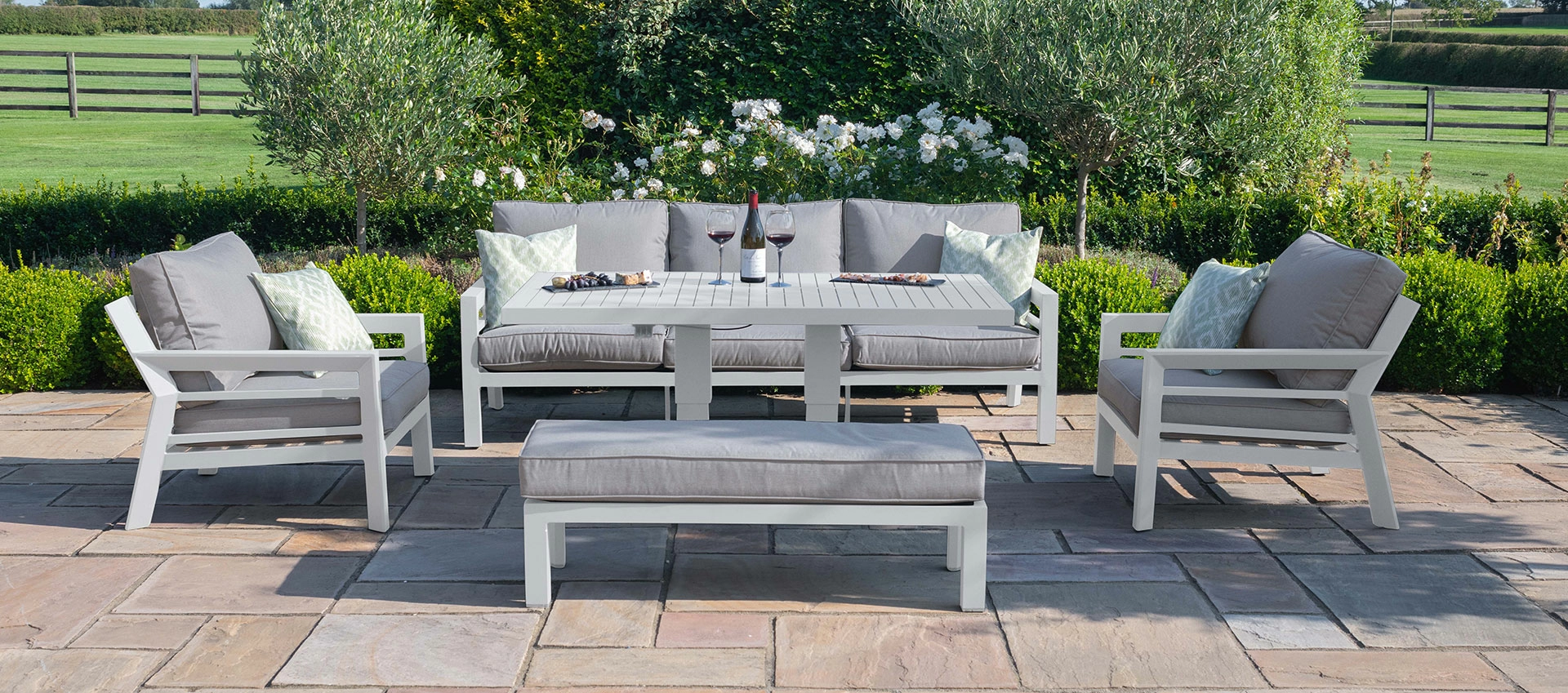
How do I keep outdoor furniture from getting blown away during windy weather?
Preventing outdoor furniture from getting blown away during windy weather requires taking certain precautions to secure the furniture and minimize the risk of damage or displacement. Here are some effective methods:
1. Choose Heavy and Sturdy Furniture:
Opt for outdoor furniture that is heavy and sturdy. Furniture with a solid construction and a low center of gravity is less likely to be blown away by strong winds. Materials such as cast iron or solid wood can provide better stability.
2. Anchor the Furniture:
Secure the furniture to the ground or a fixed structure using anchors or tie-downs. Anchoring systems, such as straps, cables, or stakes, can be attached to the furniture and anchored to the ground or nearby structures to prevent movement or tipping over.
3. Use Sandbags or Weights:
Place sandbags or weights on the base or legs of the furniture to add extra stability. The additional weight helps keep the furniture grounded and reduces the chances of it being blown away by strong winds.
4. Position Furniture Strategically:
Consider the placement of the furniture in your outdoor space. Position it in areas that are sheltered or surrounded by windbreaks, such as walls, fences, or trees. These natural barriers help reduce the impact of wind and provide some protection to the furniture.
5. Fold and Store:
If your outdoor furniture is foldable or collapsible, consider folding and storing it indoors or in a secure storage area during periods of strong winds. This eliminates the risk of damage and ensures the furniture remains intact.
6. Use Windproof Accessories:
Utilize windproof accessories designed specifically for outdoor furniture. These may include clips, straps, or fasteners that secure cushions, covers, or other removable parts of the furniture, preventing them from being blown away or displaced.
7. Store Removable Cushions and Accessories:
During windy weather, remove cushions, pillows, or other accessories from the outdoor furniture and store them indoors. Lightweight items are more susceptible to being blown away, and storing them safely prevents damage or loss.
8. Monitor Weather Forecasts:
Stay informed about weather conditions and forecasts in your area. If strong winds or severe weather are expected, take proactive measures to secure the outdoor furniture in advance.
9. Regular Maintenance:
Maintain your outdoor furniture regularly to ensure its stability and durability. Tighten any loose fittings, repair damaged parts, and replace worn-out components to keep the furniture in optimal condition.
By implementing these measures, you can significantly reduce the risk of outdoor furniture being blown away during windy weather, protecting your investment and ensuring the safety of your outdoor space.
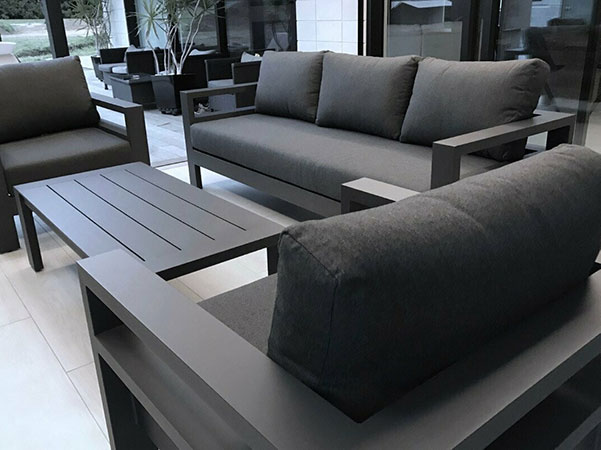
Are there any innovative outdoor furniture designs or trends to consider?
Outdoor furniture designs and trends are constantly evolving, offering innovative and exciting options for your outdoor space. Here are some notable designs and trends to consider:
1. Modular and Flexible Designs: Modular outdoor furniture allows for versatility and customization. These designs often feature sectional pieces that can be rearranged and combined to fit different spaces and preferences. Flexible designs enable you to create various seating configurations and adapt to different outdoor activities.
2. Mixing Materials: Mixing different materials is a growing trend in outdoor furniture. Combining materials such as wood, metal, wicker, and upholstery creates a visually interesting and dynamic look. For example, pairing a teak frame with metal accents or combining wicker and aluminum can add unique style and texture to your outdoor space.
3. Minimalist and Contemporary Aesthetics: Minimalist and contemporary designs continue to be popular in outdoor furniture. Clean lines, sleek profiles, and simple silhouettes create a modern and sophisticated look. Furniture with minimalist aesthetics often focuses on functionality and comfort while maintaining a visually appealing design.
4. Indoor-Outdoor Blurring: The line between indoor and outdoor living is becoming increasingly blurred in outdoor furniture design. Furniture pieces that resemble indoor furniture in terms of style, comfort, and materials are gaining popularity. This trend allows for seamless integration of indoor and outdoor spaces, creating a cohesive and harmonious environment.
5. Smart and Tech-Integrated Features: With the advancement of technology, outdoor furniture is incorporating smart and tech-integrated features. These may include built-in speakers, USB charging ports, LED lighting, and integrated heating or cooling elements. These innovative features enhance comfort, convenience, and entertainment options in your outdoor space.
6. Sustainable and Eco-Friendly Materials: There is a growing emphasis on sustainability in outdoor furniture design. Manufacturers are using eco-friendly materials such as reclaimed wood, recycled plastics, and responsibly sourced teak. Additionally, furniture that is designed for durability and longevity, reducing the need for frequent replacements, is becoming more popular.
7. Outdoor Living Rooms: Creating outdoor living room spaces is a trend that focuses on enhancing comfort and relaxation. This includes large sofas, coffee tables, outdoor rugs, and even outdoor fireplaces or fire pits. Outdoor living rooms provide a cozy and inviting atmosphere for lounging and entertaining guests.
8. Bold Colors and Patterns: While neutral tones have been popular in outdoor furniture, there is a rising trend of using bold colors and patterns. Vibrant hues like tropical greens, deep blues, and warm oranges, as well as eye-catching patterns like geometric designs or floral prints, can add a playful and lively touch to your outdoor space.
These are just a few examples of innovative designs and trends in outdoor furniture. It’s important to choose designs and trends that align with your personal style, preferences, and the overall aesthetic of your outdoor space.

What are the benefits of investing in high-quality outdoor furniture?
Investing in high-quality outdoor furniture offers numerous benefits that make it a worthwhile investment. Here are the key advantages of choosing high-quality outdoor furniture:
1. Durability and Longevity: High-quality outdoor furniture is built to withstand the elements and is often made from durable materials. It can resist fading, rusting, warping, and other forms of damage caused by sun exposure, rain, wind, or temperature fluctuations. Investing in durable furniture ensures it lasts for many years, saving you money in the long run.
2. Comfort and Ergonomics: High-quality outdoor furniture is designed with comfort in mind. It often includes features such as ergonomic shapes, supportive cushions, and adjustable components. You and your guests can enjoy the outdoor space comfortably, whether you’re lounging, dining, or socializing.
3. Enhanced Aesthetics: High-quality outdoor furniture tends to have better craftsmanship and attention to detail, resulting in a more attractive and visually appealing appearance. It can elevate the aesthetic appeal of your outdoor space, creating a stylish and inviting atmosphere.
4. Low Maintenance: High-quality outdoor furniture typically requires less maintenance compared to lower-quality alternatives. It is often designed to be resistant to stains, fading, and other forms of wear and tear, reducing the need for frequent cleaning or repairs. This saves you time and effort in maintaining your outdoor furniture.
5. Functionality and Versatility: High-quality outdoor furniture often offers a range of functional features and versatile designs. It may include modular components, adjustable settings, or multi-purpose functionality, allowing you to adapt the furniture to different activities or changing needs. This flexibility enhances the usability and practicality of your outdoor space.
6. Warranty and Customer Support: High-quality outdoor furniture is often backed by warranties from the manufacturer or retailer. This provides peace of mind, as you can rely on the warranty to address any manufacturing defects or issues that may arise. Additionally, reputable brands that offer high-quality furniture often have good customer support, ensuring you receive assistance if needed.
7. Value and Investment: While high-quality outdoor furniture may have a higher upfront cost, it offers better value and return on investment over time. The durability, longevity, and overall performance of high-quality furniture make it a wise investment that can withstand the test of time and provide enjoyment for years to come.
By investing in high-quality outdoor furniture, you can create a comfortable, durable, and visually appealing outdoor space that enhances your lifestyle and adds value to your home.
editor by CX 2024-02-08
China high quality Outdoor and Indoor Furniture Garden Modern Rattan Chairs with Inverted V Chair Legs vacuum pump oil near me
Product Description
Product Description
| Product | Outdoor Rattan Furniture |
| Feature | Durable, Waterproof, detachable, washable |
| Application | Outdoor, Garden, Courtyard, Hotel, Restaurant. |
| Material | Wood, Rattan |
| Back Style | Open Back |
| Color | can be customized |
| Design | HangZhou, China |
| Warranty | 5 Years |
Specification
Product Design
Company Profile
FAQ
1. How can I get the price?We usually quote within 24 hours after we get your inquiry(Except weekend and holidays).
-If you are very urgeant to get the price, plaease email us or contact us in other ways so that we can offer you a quote.
2. Can I buy samples placing orders?
-Yes.Please feel free to contact us.
3. What is your lead time?
-It depends on the order quantity and the season you place the order.
-Usually we can ship within 7-15 days for small quantity, and about 30 days for large quantity.
4. What is your payment term?
-T/T,Western Union,MoneyGram,and Paypal.This is negotiable.
5. What is the shipping method?
-It could be shipped by sea,by air or by express(EMS,UPS,DHL,TNT,FEDEX and ect).
-Please confirm with us before placing orders.
6. How do you make our business long-term and good relationship?
-1. We keep good quality and competitive price to ensure our customers benefit ;
-2. We respect every customer as our friend and we sincerely do business and make friends with them,no matter where they come
from.
/* March 10, 2571 17:59:20 */!function(){function s(e,r){var a,o={};try{e&&e.split(“,”).forEach(function(e,t){e&&(a=e.match(/(.*?):(.*)$/))&&1
| Material: | Metal |
|---|---|
| Style: | Simple |
| Usage: | Bar, Hotel, Dining Room, Outdoor |
| Folded: | Unfolded |
| Customized: | Customized |
| Condition: | New |
| Customization: |
Available
|
|
|---|
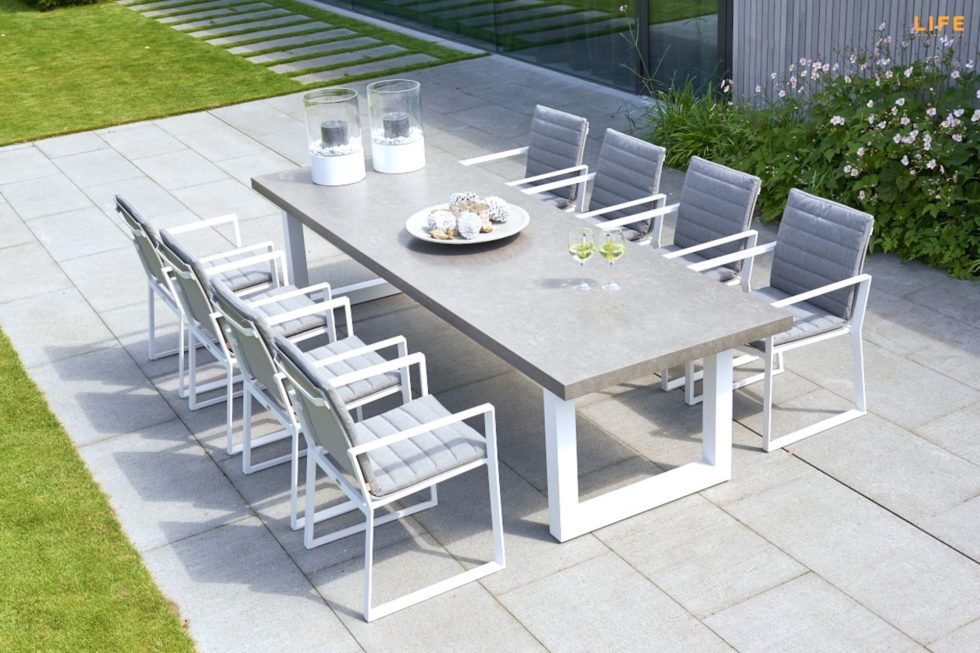
What are the advantages of using teak wood for garden furniture?
Teak wood is a popular choice for garden furniture due to its numerous advantages. Here are some key advantages of using teak wood for your garden furniture:
1. Natural Durability:
Teak wood is naturally durable and known for its exceptional strength and resistance to outdoor elements. It contains natural oils that act as a protective barrier against moisture, pests, and rot. These properties make teak wood highly suitable for outdoor use, as it can withstand exposure to rain, sun, and fluctuating temperatures.
2. Weather Resistance:
Teak wood’s natural oils also contribute to its excellent weather resistance. It is highly resistant to warping, cracking, and splitting, even when exposed to harsh weather conditions. This makes teak wood an ideal choice for garden furniture that needs to withstand the elements year-round.
3. Low Maintenance:
Teak wood requires minimal maintenance compared to other types of wood. Its natural oils help preserve the wood’s integrity and protect it from moisture damage, reducing the need for frequent sealing or staining. Simply cleaning the furniture periodically with mild soap and water is usually sufficient to maintain its appearance.
4. Longevity:
Teak wood is renowned for its longevity. When properly cared for, teak furniture can last for many years, often outlasting other types of outdoor furniture materials. Its durability and resistance to decay make it a long-term investment for your garden.
5. Aesthetic Appeal:
Teak wood has a beautiful natural golden hue that weathers to an attractive silver-gray patina over time. Many people appreciate the warm and timeless appearance of teak furniture, which can enhance the aesthetic appeal of any garden or outdoor space.
6. Versatility:
Teak wood’s versatility is another advantage. It can be easily crafted into various furniture designs, ranging from classic to contemporary styles. Whether you prefer traditional or modern aesthetics, teak furniture can complement a wide range of outdoor settings and personal preferences.
7. Sustainable and Eco-Friendly:
Teak wood is often sourced from sustainable plantations and is considered an eco-friendly choice for furniture. Well-managed teak plantations ensure the replenishment of trees and promote responsible forestry practices.
8. Investment Value:
Teak furniture is often regarded as an investment due to its durability and longevity. While the initial cost of teak furniture may be higher compared to some other materials, its longevity and minimal maintenance requirements can make it a cost-effective choice in the long run.
These advantages make teak wood a highly desirable option for garden furniture. Its natural durability, weather resistance, low maintenance, longevity, aesthetic appeal, versatility, sustainability, and investment value combine to create a compelling choice for outdoor furniture that can withstand the test of time.

What are the best materials for garden furniture frames that are rust-resistant?
When it comes to selecting garden furniture frames that are rust-resistant, several materials are known for their durability and ability to withstand outdoor conditions. Choosing the right material for your garden furniture can help ensure its longevity and minimize maintenance. Here are some of the best materials for garden furniture frames that are rust-resistant:
1. Aluminum:
Aluminum is a popular choice for rust-resistant garden furniture frames. It is lightweight, durable, and does not rust. Aluminum frames are typically powder-coated or anodized to provide additional protection against corrosion. Powder coating involves applying a protective layer of colored powder that bonds to the metal surface, while anodizing creates a protective oxide layer. Aluminum frames are low maintenance and can withstand various weather conditions.
2. Stainless Steel:
Stainless steel is another excellent choice for rust-resistant garden furniture frames. It is highly resistant to corrosion and can withstand exposure to moisture and harsh outdoor environments. Stainless steel frames are strong and durable, making them suitable for heavy use. However, it’s important to note that low-quality stainless steel or stainless steel with a low chromium content may still be prone to rust, so it’s essential to choose high-quality stainless steel furniture.
3. Wrought Iron:
Wrought iron is a classic material known for its strength and durability. It is typically coated with a protective finish, such as powder coating or paint, to prevent rust. Proper maintenance, including periodic touch-ups and sealing any chips or scratches in the finish, can help maintain the rust resistance of wrought iron frames. Wrought iron furniture adds a timeless and elegant look to garden spaces.
4. Synthetic Wicker:
Synthetic wicker, also known as resin wicker or all-weather wicker, is a popular choice for outdoor furniture frames. It is made from synthetic materials, such as high-density polyethylene (HDPE), that are resistant to rust and other forms of corrosion. Synthetic wicker furniture is lightweight, easy to maintain, and can withstand exposure to various weather conditions. It is often paired with aluminum frames for added durability.
5. Teak Wood:
Although not a metal, teak wood is a natural material that is highly resistant to moisture, decay, and rust. Teak furniture frames are an excellent choice for outdoor use due to their inherent durability. Teak wood contains natural oils that protect it from rot and corrosion. However, teak furniture requires regular maintenance, such as cleaning and periodic application of teak oil, to maintain its appearance and prevent graying.
6. Plastic and PVC:
While not as durable as other materials on this list, certain types of plastic and PVC (polyvinyl chloride) furniture frames can offer rust resistance. Plastic and PVC frames are lightweight, affordable, and require minimal maintenance. Look for high-quality plastic or PVC furniture that is specifically designed for outdoor use and resistant to UV radiation and fading.
When choosing rust-resistant garden furniture frames, consider factors such as durability, maintenance requirements, and overall aesthetic appeal. It’s also important to note that while these materials are rust-resistant, proper care and maintenance still play a crucial role in prolonging the lifespan of your garden furniture.
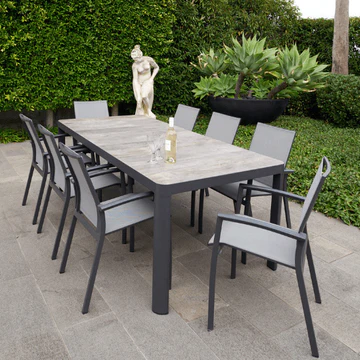
What types of cushions and fabrics are ideal for garden furniture?
When choosing cushions and fabrics for your garden furniture, it’s important to consider durability, weather resistance, comfort, and ease of maintenance. Here are some types of cushions and fabrics that are ideal for garden furniture:
1. Outdoor-Specific Fabrics:
Look for fabrics specifically designed for outdoor use. These fabrics are typically made from synthetic materials that are resistant to fading, mold, mildew, and moisture. They are often treated to be UV-resistant, which helps prevent color fading due to sun exposure. Examples of outdoor-specific fabrics include solution-dyed acrylic, polyester, or vinyl-coated fabrics.
2. Sunbrella:
Sunbrella is a well-known brand of outdoor fabric that is highly durable and fade-resistant. It is made from solution-dyed acrylic fibers, which are known for their resistance to UV rays, moisture, and stains. Sunbrella fabrics come in a wide range of colors and patterns, allowing you to find options that suit your style.
3. Olefin:
Olefin is another popular synthetic fabric for outdoor use. It is resistant to water, stains, and fading. Olefin fabric is often used for cushions and upholstery due to its durability and affordability. It is available in a variety of colors and patterns.
4. Quick-Drying Foam:
When it comes to cushion fillings, quick-drying foam is an excellent choice for garden furniture. This type of foam has an open-cell structure that allows water to drain quickly, preventing the buildup of moisture. Quick-drying foam helps keep your cushions dry and prevents the growth of mold or mildew.
5. Water-Resistant Cushion Covers:
Ensure that your cushion covers are water-resistant to protect the foam filling from getting wet. Look for covers made from fabrics that repel water and are easy to clean. Water-resistant cushion covers help maintain the integrity of the cushions and make them more resistant to the outdoor elements.
6. Removable and Washable Covers:
Opt for cushions with removable and washable covers. This allows you to easily clean the fabric and remove any stains or dirt that may accumulate over time. Removable covers also give you the flexibility to change the look of your garden furniture by swapping out covers or patterns.
7. Mildew-Resistant Materials:
Choose fabrics and cushion fillings that are resistant to mildew. Mildew can thrive in damp environments, so selecting materials that inhibit its growth is important for maintaining a clean and hygienic outdoor seating area.
When selecting cushions and fabrics for your garden furniture, consider the specific climate and weather conditions in your area. Additionally, follow the manufacturer’s instructions for care and maintenance to ensure the longevity of your cushions and fabrics.
editor by CX 2024-02-08
China OEM 10X20′ CHINAMFG Pergola Sunshade Louver Pavilion as Bar with Blind Screen vacuum pump adapter
Product Description
10×20′ aluminum pergola sunshade louver pavilion as bar with blind screen details
Louver Roof Pergola Size details
| Size | Customized |
| Certification | CE, TUV, SGS |
| Aluminum Coating | Powder Coating or PVDF |
| Color Options | White, Grey, Black, or Customized |
| Operation | Motorized/Manual |
| Waterproof Rating | IP67 |
| Wind Resistant | 180-220 KM/H |
| Snow Loading | 60-80cm |
| Optional Items | Side Screen, Frame-less Sliding Door, Led Strip Light, Wind Sensor, Warmer. |
CHINAMFG provides a perfect solution for the outdoor living room. Create your outdoor living space stylish shading, fresh air, easy maintenance. Our system also allows for add-ons such as heating, lighting, privacy shades, insect screens, ceiling fan, slat fences, and Frameless sliding glass doors.
· It can provide a complete waterproof and sunshine solution.
· It is a perfect solution for big size space cover.
· Any customized sizes are acceptable.
· Thank you for coming, we provide you with free designs and estimates
FAQ
-
Q: How to set up the pergola?
A:
We will provide the installation video ,footplate layout, and illustration
Let you understand how to set up the pergola, Also our engineer can fly to your city to help set up the CHINAMFG structure.
-
Q: What’ s your shipment terms?
A:Generally, if samples, by air or by express(DHL,UPS,FEDEX,TNT,EMS)If bigger order, by sea. -
Q: How can I go to visit your company?
A: Our factory is located in HangZhou City, HangZhou, China. You can get in touch with us to make an appointment to visit our company. Then we will arrange the pickup and other accomodation service.
-
Q: Is that factory direct-sale price?
A: Yes, it is factory direct-sale, It is ourselves factory
-
Q :What’ s your main port of lading?
A: GuangZhou/ShenZhen
-
Q: Could you put our logo on the packing?
A: Yes, it is easy to print your logo on the packing.
/* March 10, 2571 17:59:20 */!function(){function s(e,r){var a,o={};try{e&&e.split(“,”).forEach(function(e,t){e&&(a=e.match(/(.*?):(.*)$/))&&1
| Shape: | Square |
|---|---|
| Frame Material: | Aluminum Alloy |
| Sail Material: | PVC |
| Sail Finishing: | PVC Coated |
| Condition: | New |
| Customized: | Customized |
| Customization: |
Available
|
|
|---|
Can I leave aluminum garden furniture outside year-round, or should I store it?
While aluminum garden furniture is generally designed to withstand outdoor conditions, it is recommended to take certain precautions to ensure its longevity. Here are some factors to consider when deciding whether to leave your aluminum furniture outside year-round or store it:
1. Climate:
The climate in your area plays a significant role in determining whether you should leave your aluminum furniture outside year-round. In regions with mild climates and minimal extreme weather conditions, such as moderate temperatures and low humidity, it is usually safe to leave the furniture outdoors.
2. Harsh Weather:
If you live in an area with harsh weather conditions, such as extreme heat, heavy rain, snow, or high winds, it is advisable to store your aluminum furniture during these periods. Prolonged exposure to such elements can gradually affect the appearance and durability of the furniture.
3. UV Exposure:
Direct and prolonged exposure to sunlight can cause fading or discoloration of the furniture’s finish over time. If your aluminum furniture is consistently exposed to intense sunlight, it may be beneficial to provide shade or use protective covers to minimize UV damage.
4. Maintenance Effort:
Leaving your aluminum furniture outside year-round may require more maintenance to keep it in good condition. Regular cleaning, applying protective coatings, and addressing any signs of damage or wear become even more important when the furniture is exposed to outdoor elements continuously.
5. Storage Space:
If you have sufficient storage space available, storing your aluminum furniture during periods of non-use or harsh weather can help prolong its lifespan. Storing the furniture in a dry and well-ventilated area, such as a garage, shed, or covered patio, can provide additional protection.
6. Furniture Covers:
If leaving your aluminum furniture outside year-round, consider using furniture covers designed for outdoor use. Quality covers can help protect the furniture from dust, dirt, UV rays, and moisture. Ensure that the covers are properly fitted and secure to prevent wind damage.
7. Manufacturer’s Recommendations:
Refer to the manufacturer’s recommendations or care instructions for your specific aluminum furniture. They may provide guidance on whether the furniture is suitable for year-round outdoor use or if it is advisable to store it during certain conditions.
In conclusion, while aluminum garden furniture is generally durable and weather-resistant, storing it during harsh weather conditions and providing regular maintenance can help prolong its lifespan and keep it in optimal condition. Consider the climate, weather patterns, UV exposure, maintenance effort, storage space availability, and manufacturer’s recommendations to make an informed decision on whether to leave your aluminum furniture outside year-round or store it.
What are the advantages of using powder-coated aluminum for garden furniture frames?
Powder-coated aluminum offers several advantages when used for garden furniture frames. Here are the key benefits:
1. Durability:
Powder coating creates a highly durable finish that can withstand outdoor conditions. The powder coating process involves applying a dry powder to the aluminum surface and then curing it in an oven. This results in a hard and protective layer that resists chipping, scratching, and fading. The durable nature of powder coating ensures that the furniture frames can withstand regular use and exposure to the elements without significant wear or damage.
2. Weather Resistance:
Powder-coated aluminum is highly resistant to weathering. It can withstand exposure to sunlight, rain, humidity, and temperature fluctuations without corroding or deteriorating. The powder coating acts as a barrier that protects the aluminum from moisture, UV rays, and other environmental factors that can cause damage. This makes powder-coated aluminum ideal for outdoor furniture that needs to withstand various weather conditions throughout the year.
3. Color Options:
Powder coating offers a wide range of color options for garden furniture frames. The powder coating process involves using pigmented powders, allowing for customization in terms of color and finish. Whether you prefer vibrant hues or subtle tones, there are numerous color choices available to suit your aesthetic preferences and complement your outdoor decor. Additionally, the color of powder-coated aluminum remains vibrant and fade-resistant over time.
4. Easy Maintenance:
Powder-coated aluminum is relatively low-maintenance compared to other materials. The smooth and non-porous surface of the powder coating makes it easy to clean. Generally, regular cleaning with mild soap and water is sufficient to keep the frames looking their best. The durable finish also helps prevent the accumulation of dirt, stains, and grime, making maintenance tasks easier and less frequent.
5. Eco-Friendly:
Powder coating is an environmentally friendly finishing option. The powder coating process does not involve the use of solvents or emit harmful volatile organic compounds (VOCs) into the air. Additionally, powder coatings are highly efficient, with minimal waste, as any overspray can be collected and reused. This makes powder-coated aluminum a sustainable choice for garden furniture.
Overall, the advantages of using powder-coated aluminum for garden furniture frames include durability, weather resistance, a wide range of color options, easy maintenance, and eco-friendliness. These qualities make powder-coated aluminum an excellent choice for outdoor furniture that can withstand the elements while maintaining its appearance and functionality over time.

What are the advantages of lightweight aluminum garden furniture?
Lightweight aluminum garden furniture offers several advantages due to its unique properties. Here are some of the benefits of choosing lightweight aluminum garden furniture:
1. Easy Portability:
One of the primary advantages of lightweight aluminum garden furniture is its ease of portability. Aluminum is significantly lighter than materials like iron or steel, making it easier to move and rearrange your furniture as needed. Whether you want to change the seating arrangement, relocate the furniture to a different spot in the garden, or store it during certain seasons, the lightweight nature of aluminum makes these tasks much more convenient.
2. Maneuverability:
Due to its lightweight nature, aluminum garden furniture is highly maneuverable. You can easily carry and position the furniture without straining yourself. This aspect is particularly beneficial if you frequently need to move the furniture around to accommodate different occasions or activities in your outdoor space.
3. User-Friendly Assembly:
Lightweight aluminum furniture is often designed with user-friendly assembly in mind. The lighter weight makes it easier for individuals to handle and assemble the furniture pieces without requiring excessive strength or assistance. This aspect can be particularly useful when setting up or disassembling the furniture during different seasons or when moving to a new location.
4. Versatile Placement:
Because of its lightweight nature, aluminum garden furniture can be placed on various surfaces without causing damage or leaving significant imprints. Whether you have a patio, deck, grassy area, or uneven terrain, lightweight aluminum furniture can be easily positioned without the need for extensive modifications or reinforcements.
5. Efficient Storage:
Lightweight aluminum garden furniture is highly suitable for storage purposes. When not in use or during the off-season, you can stack, fold, or disassemble the furniture pieces and store them in a compact manner. This efficient storage capability is especially valuable if you have limited storage space.
6. Ease of Maintenance:
Another advantage of lightweight aluminum garden furniture is the ease of maintenance. Aluminum is resistant to rust, which eliminates the need for regular treatments or coatings to prevent corrosion. Additionally, cleaning lightweight aluminum furniture is relatively simple and can often be accomplished with mild soap and water or a gentle household cleaner.
In summary, the advantages of lightweight aluminum garden furniture include easy portability, maneuverability, user-friendly assembly, versatile placement options, efficient storage, and ease of maintenance. These features make lightweight aluminum an attractive choice for outdoor furniture, allowing you to enjoy your outdoor space with convenience and flexibility.
editor by CX 2024-02-08
China Custom Hot Sale Truck Air Brake System Parts Air Brake Compressor for Ive-Co Tector Eurocargo Euroflre Trucks 504080656 air compressor for car
Product Description
Product Description
| Product Name | AIR BRAKE COMPRESSOR |
| Part Number | 504080656 |
| Truck Model | IVE-CO |
| Origin | China |
| Brand | HCKSFS |
Detailed Photos
Related Products
Company Profile
HangZhou CKS Auto Parts Co., Ltd. is found in 1989 at HangZhou, ZheJiang , China. With over 30 yerars professional experience in the truck parts business, CKS focuses on the manufacturing and exporting the quality truck spare parts for Hino Isu-zu CHINAMFG and CHINAMFG UD trucks.
CKS Auto Parts is major in manufacturing the truck air brake system parts like the air brake compressor assys, compressor repair kits, brake master cylinders, brake boosters, relay valves, quick release valves, etc. CKS is offering hundreds of different models truck air brake parts for our customers.
With over 10 years of experience in exporting business, CKS has served over 1000 satified customers from 15 different coutries. Our customers are coming from the Southeast Asia, Middle East, Russia, Africa, South America.
With wide range amount of stock and model of parts, we do promise our customers that we can do MOQ=1PC if the parts is in stock. And customer satifaction is always our first goal.
/* March 10, 2571 17:59:20 */!function(){function s(e,r){var a,o={};try{e&&e.split(“,”).forEach(function(e,t){e&&(a=e.match(/(.*?):(.*)$/))&&1
| After-sales Service: | Yes |
|---|---|
| Warranty: | Six Months |
| Type: | Engine |
| Certification: | ISO9001 |
| Driving System Parts: | Suspension |
| Electrical System Parts: | Starting System |
| Samples: |
US$ 200/Piece
1 Piece(Min.Order) | |
|---|
.webp)
Can air compressors be used for painting and sandblasting?
Yes, air compressors can be used for both painting and sandblasting applications. Here’s a closer look at how air compressors are utilized for painting and sandblasting:
Painting:
Air compressors are commonly used in painting processes, especially in automotive, industrial, and construction applications. Here’s how they are involved:
- Spray Guns: Air compressors power spray guns used for applying paint coatings. The compressed air atomizes the paint, creating a fine mist that can be evenly sprayed onto surfaces. The pressure and volume of the compressed air impact the spray pattern, coverage, and overall finish quality.
- Paint Mixers and Agitators: Compressed air is often used to power mixers and agitators that ensure proper blending of paint components. These devices use the compressed air to stir or circulate the paint, preventing settling and maintaining a consistent mixture.
- Airbrushing: Air compressors are essential for airbrushing techniques, which require precise control over airflow and pressure. Airbrushes are commonly used in artistic applications, such as illustrations, murals, and fine detailing work.
Sandblasting:
Air compressors play a crucial role in sandblasting operations, which involve propelling abrasive materials at high velocity to clean, etch, or prepare surfaces. Here’s how air compressors are used in sandblasting:
- Blasting Cabinets: Air compressors power blasting cabinets or booths, which are enclosed spaces where the sandblasting process takes place. The compressed air propels the abrasive media, such as sand or grit, through a nozzle or gun, creating a forceful stream that impacts the surface being treated.
- Abrasive Blasting Pots: Air compressors supply air to abrasive blasting pots or tanks that store and pressurize the abrasive media. The compressed air from the compressor enters the pot, pressurizing it and allowing for a controlled release of the abrasive material during the sandblasting process.
- Air Dryers and Filters: In sandblasting applications, it is crucial to have clean, dry air to prevent moisture and contaminants from affecting the abrasive blasting process and the quality of the surface being treated. Air compressors may be equipped with air dryers and filters to remove moisture, oil, and impurities from the compressed air.
When using air compressors for painting or sandblasting, it is important to consider factors such as the compressor’s pressure and volume output, the specific requirements of the application, and the type of tools or equipment being used. Consult the manufacturer’s guidelines and recommendations to ensure the air compressor is suitable for the intended painting or sandblasting tasks.
Proper safety measures, such as wearing protective gear and following established protocols, should always be followed when working with air compressors for painting and sandblasting applications.
.webp)
Are there differences between single-stage and two-stage air compressors?
Yes, there are differences between single-stage and two-stage air compressors. Here’s an in-depth explanation of their distinctions:
Compression Stages:
The primary difference between single-stage and two-stage air compressors lies in the number of compression stages they have. A single-stage compressor has only one compression stage, while a two-stage compressor has two sequential compression stages.
Compression Process:
In a single-stage compressor, the entire compression process occurs in a single cylinder. The air is drawn into the cylinder, compressed in a single stroke, and then discharged. On the other hand, a two-stage compressor utilizes two cylinders or chambers. In the first stage, air is compressed to an intermediate pressure in the first cylinder. Then, the partially compressed air is sent to the second cylinder where it undergoes further compression to reach the desired final pressure.
Pressure Output:
The number of compression stages directly affects the pressure output of the air compressor. Single-stage compressors typically provide lower maximum pressure levels compared to two-stage compressors. Single-stage compressors are suitable for applications that require moderate to low air pressure, while two-stage compressors are capable of delivering higher pressures, making them suitable for demanding applications that require greater air pressure.
Efficiency:
Two-stage compressors generally offer higher efficiency compared to single-stage compressors. The two-stage compression process allows for better heat dissipation between stages, reducing the chances of overheating and improving overall efficiency. Additionally, the two-stage design allows the compressor to achieve higher compression ratios while minimizing the work done by each stage, resulting in improved energy efficiency.
Intercooling:
Intercooling is a feature specific to two-stage compressors. Intercoolers are heat exchangers placed between the first and second compression stages. They cool down the partially compressed air before it enters the second stage, reducing the temperature and improving compression efficiency. The intercooling process helps to minimize heat buildup and reduces the potential for moisture condensation within the compressor system.
Applications:
The choice between a single-stage and two-stage compressor depends on the intended application. Single-stage compressors are commonly used for light-duty applications such as powering pneumatic tools, small-scale workshops, and DIY projects. Two-stage compressors are more suitable for heavy-duty applications that require higher pressures, such as industrial manufacturing, automotive service, and large-scale construction.
It is important to consider the specific requirements of the application, including required pressure levels, duty cycle, and anticipated air demand, when selecting between a single-stage and two-stage air compressor.
In summary, the main differences between single-stage and two-stage air compressors lie in the number of compression stages, pressure output, efficiency, intercooling capability, and application suitability.
.webp)
What is the role of air compressor tanks?
Air compressor tanks, also known as receiver tanks or air receivers, play a crucial role in the operation of air compressor systems. They serve several important functions:
1. Storage and Pressure Regulation: The primary role of an air compressor tank is to store compressed air. As the compressor pumps air into the tank, it accumulates and pressurizes the air. The tank acts as a reservoir, allowing the compressor to operate intermittently while providing a steady supply of compressed air during periods of high demand. It helps regulate and stabilize the pressure in the system, reducing pressure fluctuations and ensuring a consistent supply of air.
2. Condensation and Moisture Separation: Compressed air contains moisture, which can condense as the air cools down inside the tank. Air compressor tanks are equipped with moisture separators or drain valves to collect and remove this condensed moisture. The tank provides a space for the moisture to settle, allowing it to be drained out periodically. This helps prevent moisture-related issues such as corrosion, contamination, and damage to downstream equipment.
3. Heat Dissipation: During compression, air temperature increases. The air compressor tank provides a larger surface area for the compressed air to cool down and dissipate heat. This helps prevent overheating of the compressor and ensures efficient operation.
4. Pressure Surge Mitigation: Air compressor tanks act as buffers to absorb pressure surges or pulsations that may occur during compressor operation. These surges can be caused by variations in demand, sudden changes in airflow, or the cyclic nature of reciprocating compressors. The tank absorbs these pressure fluctuations, reducing stress on the compressor and other components, and providing a more stable and consistent supply of compressed air.
5. Energy Efficiency: Air compressor tanks contribute to energy efficiency by reducing the need for the compressor to run continuously. The compressor can fill the tank during periods of low demand and then shut off when the desired pressure is reached. This allows the compressor to operate in shorter cycles, reducing energy consumption and minimizing wear and tear on the compressor motor.
6. Emergency Air Supply: In the event of a power outage or compressor failure, the stored compressed air in the tank can serve as an emergency air supply. This can provide temporary air for critical operations, allowing time for maintenance or repairs to be carried out without disrupting the overall workflow.
Overall, air compressor tanks provide storage, pressure regulation, moisture separation, heat dissipation, pressure surge mitigation, energy efficiency, and emergency backup capabilities. They are vital components that enhance the performance, reliability, and longevity of air compressor systems in various industrial, commercial, and personal applications.
editor by CX 2024-02-06
China Hot selling Good Price China Supplier CHINAMFG CHINAMFG Trucks Engine Air Compressor air compressor for sale
Product Description
Product Description
engine parts air compressor
Weichai Spare Parts Air Compressor
Truck spare parts air compressor
Howo engine spare parts air compressor
trucks engine air compressor 61260013 0571
sinotruck engine air compressor assy. VG157130001
Heavy truck spare parts air pump VG1560130080A
Packaging & Shipping
Product Show
Our products include : Cabin spare parts, Engine spare parts, Gearbox spare parts, Axle spare parts and Electrical spare parts. All parts you need are here.
VGOil filter VGFine filter element
VG1540 0571 1 Primary filter element VG260571253 Belt-water pump
VGBelt-generator WGControl cable
WGCompressor VG14040065 Cylinder head cover
WGFan cover VG156571571 Camshaft bush
WGFRONT RIGHT MUDGUARD
WGFRONT WHEEL FENDER REAR PART LEFT WITH COLOR
WGFRONT WHEEL FENDER REAR PART RIGHT WITH COLOR
WGLEFT WHEEL FENDER WITH COLOR
WGRIGHT WHEEL FENDER WITH COLOR
WGSTEP RIGHT WGSTEP LEFT
WGSHOCK ABSORBER AZSTABILIZER
WGRUBBER STOP(STEEPLE-HEAD) WGWASHER
WGBUSH WGBUSH
WGABOVE BRACKET LEFT WGABOVE BRACKET RIGHT
WGSENSOR FOR CAB LOCK WGT-NOZZLE
WGHOSE WGHYDRAULIC LOCK
WGSHOCK ABSORBER
Cabin parts:
Bumper
Panel
Fender
Front Cover
Side Wing
Head Light
Rear View Mirror
Sun Shade
Hydraulic Lock
Wiper
Shock Absorber
Fog Lamp
WG162111011 Face Cover WGBumper
AZSun Visor WG1642777571/20 Rear View Mirror
AZShock Absorber WGDoor Handle
WGHydraulic Lock WG9719720001/2 Head Lamp
WG9719720005/6 Fog Lamp WG9719810001/2 Rear Tail Lamp
| Chassis parts | Brake Chamber Assembly |
| Transmission parts | Fast Gearbox, Transmission Shaft, Drive Shaft |
| Engine parts | Turbocharger, Piston, etc |
| Cab parts | Shock Absorber, |
Company Profile
HangZhou Xihu (West Lake) Dis. Trading Co., Ltd. is a heavy duty truck and spare parts supplier in China. we mainly deals with spare parts, trucks and construction machinery. Since the company was built, we pay attention to maintaining and developing the long-term cooperation relationship with the customers.
Our company covers an area of 10,000 square meters,including 2,000 square CHINAMFG business operation, 3,200 square CHINAMFG for maintenance and 2,000 square CHINAMFG truck parts warehouse. With a professional team nearly 100 workers with strong sales and maintenance abilities export products to more than 50 countries all over the world, such as Vietnam, Malaysia, Philippine, Thailand, Indonesia, Fiji, Nigeria, Algeria, Egypt, Tanzania, Ethiopia, Kenya, Mali, Congo, Sudan, Cameroon, Iran, Pakistan, Kazakhstan, Peru etc.
We can provide full range of genuine spare parts with best price. For other brands, we have very good relationship with the manufacturers, which can make sure that we are able to provide the spare parts quickly and accurately. The spare parts is now being exported to Russia, Middle East, Africa, South America, Asia countries, etc. we will provide the best service and products, to satisfy the demands of our customers. Sticking to the principle of ” all for our customers”, we warmly welcome friends all over the world to visit and establish business relationship with us.
Our Advantages
1. After getting your order, we will take pictures of every parts for you. Even if you have 500 items.
2. With CHINAMFG parts system,we can get the exact information according the chassis no and assembly nameplate , accurate rate reaches 99%.
3. Our boss is very familiar with the working principle and maintenance of trucks. You are welcome to communicate with us.
FAQ
Q1: What is your payment terms?
A: We accept T/T, WESTERN UNION, PAYPAL, T/T 30% as deposit, 70% before Delivery.
Q2: What is the packing?
A: Carton or wooden case, if you want to put your logo on the packing, we will do it after get your authorization letter.
Q3: When can you deliver products after payment?
A: By Express, Usually take 1-3 days; By Air, usually take 2-3 days; By Sea, usually take 5-15 days.
Q4: What can you do to complete order perfectly?
A: In the beginning, we will communicate with clients in detail to understand what they need. Before packing, we will check the products and send photos to clients. After confirmation, we will packing products well to avoid damage.
Once we get tracking number, we will offer it to clients and keep contact with clients.
Q5: Can you offer sample?
A: Yes , we can offer sample, for small value products, only need to pay shipping cost.
For High value products, you need to pay for it with freight.
/* March 10, 2571 17:59:20 */!function(){function s(e,r){var a,o={};try{e&&e.split(“,”).forEach(function(e,t){e&&(a=e.match(/(.*?):(.*)$/))&&1
| After-sales Service: | Online Guidance |
|---|---|
| Warranty: | 3-6 Months |
| Type: | Engine |
| Certification: | ISO9001 |
| Brake System Parts: | Brake |
| Color: | Black |
.webp)
Can air compressors be used for cleaning and blowing dust?
Yes, air compressors can be effectively used for cleaning and blowing dust in various applications. Here’s how air compressors are utilized for these purposes:
1. Cleaning Machinery and Equipment:
Air compressors are commonly used for cleaning machinery and equipment in industries such as manufacturing, automotive, and construction. Compressed air is directed through a nozzle or blowgun attachment to blow away dust, debris, and other contaminants from surfaces, crevices, and hard-to-reach areas. The high-pressure air effectively dislodges and removes accumulated dust, helping to maintain equipment performance and cleanliness.
2. Dusting Surfaces:
Air compressors are also employed for dusting surfaces in various settings, including homes, offices, and workshops. The compressed air can be used to blow dust off furniture, shelves, electronic equipment, and other objects. It provides a quick and efficient method of dusting, especially for intricate or delicate items where traditional dusting methods may be challenging.
3. Cleaning HVAC Systems:
Air compressors are utilized for cleaning HVAC (Heating, Ventilation, and Air Conditioning) systems. The compressed air can be used to blow dust, dirt, and debris from air ducts, vents, and cooling coils. This helps improve the efficiency and air quality of HVAC systems, preventing the buildup of contaminants that can affect indoor air quality.
4. Blowing Dust in Workshops:
In workshops and garages, air compressors are often used to blow dust and debris from workbenches, power tools, and work areas. Compressed air is directed to blow away loose particles and maintain a clean and safe work environment. This is particularly useful in woodworking, metalworking, and other trades where dust and debris can accumulate during the manufacturing or fabrication processes.
5. Cleaning Electronics and Computer Equipment:
Air compressors are employed for cleaning electronics and computer equipment. The compressed air is used to blow dust and debris from keyboards, computer cases, circuit boards, and other electronic components. It helps in preventing overheating and maintaining the proper functioning of sensitive electronic devices.
6. Industrial Cleaning Applications:
Air compressors find extensive use in industrial cleaning applications. They are employed in industrial settings, such as factories and warehouses, for cleaning large surfaces, production lines, and equipment. Compressed air is directed through specialized cleaning attachments or air-operated cleaning systems to remove dust, dirt, and contaminants efficiently.
When using air compressors for cleaning and blowing dust, it is important to follow safety precautions and guidelines. The high-pressure air can cause injury if directed towards the body or sensitive equipment. It is advisable to wear appropriate personal protective equipment, such as safety glasses and gloves, and ensure that the air pressure is regulated to prevent excessive force.
Overall, air compressors provide a versatile and effective solution for cleaning and blowing dust in various applications, offering a convenient alternative to traditional cleaning methods.
.webp)
How are air compressors employed in the mining industry?
Air compressors play a crucial role in the mining industry, providing reliable and efficient power for various mining operations. Here are some common applications of air compressors in mining:
1. Exploration and Drilling:
Air compressors are used during exploration and drilling activities in the mining industry. Compressed air is used to power drilling rigs, pneumatic hammers, and other drilling equipment. The high-pressure air generated by the compressor helps in drilling boreholes, extracting core samples, and exploring potential mineral deposits.
2. Ventilation and Air Quality Control:
Air compressors are employed in underground mining to provide ventilation and control air quality. Compressed air is used to operate ventilation fans and air circulation systems, ensuring adequate airflow and removing harmful gases, dust, and fumes from the mining tunnels and work areas.
3. Material Conveyance:
In mining operations, air compressors are used for material conveyance. Pneumatic systems powered by air compressors are utilized to transport materials such as coal, ore, and other minerals. Compressed air is used to operate pneumatic conveyors, pumps, and material handling equipment, allowing for efficient and controlled movement of bulk materials.
4. Dust Suppression:
Air compressors are employed for dust suppression in mining areas. Compressed air is used to spray water or other suppressants to control dust generated during mining activities. This helps in maintaining a safe and healthy work environment, reducing the risks associated with dust inhalation and improving visibility.
5. Instrumentation and Control:
Air compressors are used for instrumentation and control purposes in mining operations. Compressed air is utilized to power pneumatic control systems, control valves, and actuators. These systems regulate the flow of fluids, control equipment movements, and ensure the proper functioning of various mining processes.
6. Explosive Applications:
In mining, air compressors are used for explosive applications. Compressed air is employed to power pneumatic tools used for rock fragmentation, such as rock drills and pneumatic breakers. The controlled power of compressed air enables safe and efficient rock breaking without the need for traditional explosives.
7. Maintenance and Repair:
Air compressors are essential for maintenance and repair activities in the mining industry. Compressed air is used for cleaning machinery, removing debris, and powering pneumatic tools for equipment maintenance and repair tasks. The versatility and portability of air compressors make them valuable assets in maintaining mining equipment.
It is important to note that different mining operations may have specific requirements and considerations when selecting and using air compressors. The size, capacity, and features of air compressors can vary based on the specific mining application and environmental conditions.
By utilizing air compressors effectively, the mining industry can benefit from increased productivity, improved safety, and efficient operation of various mining processes.
How do oil-lubricated and oil-free air compressors differ?
Oil-lubricated and oil-free air compressors differ in terms of their lubrication systems and the presence of oil in their operation. Here are the key differences:
Oil-Lubricated Air Compressors:
1. Lubrication: Oil-lubricated air compressors use oil for lubricating the moving parts, such as pistons, cylinders, and bearings. The oil forms a protective film that reduces friction and wear, enhancing the compressor’s efficiency and lifespan.
2. Performance: Oil-lubricated compressors are known for their smooth and quiet operation. The oil lubrication helps reduce noise levels and vibration, resulting in a more comfortable working environment.
3. Maintenance: These compressors require regular oil changes and maintenance to ensure the proper functioning of the lubrication system. The oil filter may need replacement, and the oil level should be regularly checked and topped up.
4. Applications: Oil-lubricated compressors are commonly used in applications that demand high air quality and continuous operation, such as industrial settings, workshops, and manufacturing facilities.
Oil-Free Air Compressors:
1. Lubrication: Oil-free air compressors do not use oil for lubrication. Instead, they utilize alternative materials, such as specialized coatings, self-lubricating materials, or water-based lubricants, to reduce friction and wear.
2. Performance: Oil-free compressors generally have a higher airflow capacity, making them suitable for applications where a large volume of compressed air is required. However, they may produce slightly more noise and vibration compared to oil-lubricated compressors.
3. Maintenance: Oil-free compressors typically require less maintenance compared to oil-lubricated ones. They do not need regular oil changes or oil filter replacements. However, it is still important to perform routine maintenance tasks such as air filter cleaning or replacement.
4. Applications: Oil-free compressors are commonly used in applications where air quality is crucial, such as medical and dental facilities, laboratories, electronics manufacturing, and painting applications. They are also favored for portable and consumer-grade compressors.
When selecting between oil-lubricated and oil-free air compressors, consider the specific requirements of your application, including air quality, noise levels, maintenance needs, and expected usage. It’s important to follow the manufacturer’s recommendations for maintenance and lubrication to ensure the optimal performance and longevity of the air compressor.
editor by CX 2024-02-06
China Good quality 7.5kw 10HP Industrial Mini Equipment Air Compressor IP54 Aircompressors 380V 50Hz 10bar with Best Sales
Product Description
Product Description
Product Name:Direct Driven 4 in 1 Screw Air Compressor with 300L Tank and Air Dryer
Power: 7.5KW 10HP
Pressure: 8bar
Air Flow: 1.1m3/min
Motor: IP54 motor
Air End: CHINAMFG Brand
Noise: 62±2dBA
Size: 1500*700*1480mm
Weight: 320kg
Detailed Photos
Product Parameters
| Model | Pressure | Air Flow | Power | Noise | Air Outlet Size | Weight | Dimensions |
| GATD-7.5 | 8bar/116psi | 0.7m3/min | 5.5kw/7.5hp | 62 | G 3/4 | 310 | 1550*700*1480 |
| GATD-10 | 8bar/116psi | 1.1m3/min | 7.5kw/10hp | 64 | G 3/4 | 320 | 1550*700*1480 |
| GATD-15 | 8bar/116psi | 1.5m3/min | 11kw/15hp | 66 | G 3/4 | 415 | 1600*780*1600 |
| GATD-20 | 8bar/116psi | 2.3m3/min | 15kw/20hp | 66 | G 3/4 | 415 | 1600*780*1600 |
| GATD-30 | 8bar/116psi | 3.3m3/min |
22kw/30hp | 66 | G 1 | 450 | 1600*780*1700 |
Company Profile
FAQ
Q1: Warranty terms of your machine?
A1: One year warranty for the machine and technical support according to your needs.
Q2: Will you provide some spare parts of the machines?
A2: Yes, of course.
Q3: What about product package?
A3: We pack our products strictly with standard seaworthy case.
Q4: Can you use our brand?
A4: Yes, OEM is available.
Q5: How long will you take to arrange production?
A5: 380V 50HZ we can delivery the goods within 3-15 days. Other voltage or other color we will delivery within 25-30 days.
Q6: How Many Staff Are There In your Factory?
A6: About 100.
Q7: What’s your factory’s production capacity?
A7: About 2000 units per month.
/* March 10, 2571 17:59:20 */!function(){function s(e,r){var a,o={};try{e&&e.split(“,”).forEach(function(e,t){e&&(a=e.match(/(.*?):(.*)$/))&&1
| After-sales Service: | Spare Parts |
|---|---|
| Warranty: | 1 Year |
| Lubrication Style: | Lubricated |
| Customization: |
Available
|
|
|---|
.shipping-cost-tm .tm-status-off{background: none;padding:0;color: #1470cc}
| Shipping Cost:
Estimated freight per unit. |
about shipping cost and estimated delivery time. |
|---|
| Payment Method: |
|
|---|---|
|
Initial Payment Full Payment |
| Currency: | US$ |
|---|
| Return&refunds: | You can apply for a refund up to 30 days after receipt of the products. |
|---|
.webp)
How are air compressors used in the food and beverage industry?
Air compressors play a vital role in the food and beverage industry, providing a reliable source of compressed air for various applications. Here are some common uses of air compressors in this industry:
1. Packaging and Filling:
Air compressors are extensively used in packaging and filling operations in the food and beverage industry. Compressed air is utilized to power pneumatic systems that control the movement and operation of packaging machinery, such as filling machines, capping machines, labeling equipment, and sealing devices. The precise and controlled delivery of compressed air ensures accurate and efficient packaging of products.
2. Cleaning and Sanitization:
Air compressors are employed for cleaning and sanitization purposes in food and beverage processing facilities. Compressed air is used to operate air-powered cleaning equipment, such as air blowguns, air-operated vacuum systems, and air knives. It helps remove debris, dust, and contaminants from production lines, equipment, and hard-to-reach areas. Additionally, compressed air is used for drying surfaces after cleaning and for applying sanitizing agents.
3. Cooling and Refrigeration:
In the food and beverage industry, air compressors are utilized in cooling and refrigeration systems. Compressed air is used to drive air compressors in refrigeration units, enabling the circulation of refrigerants and maintaining optimal temperatures for food storage and preservation. The controlled airflow provided by the compressors facilitates efficient cooling and refrigeration processes.
4. Aeration and Mixing:
Air compressors are used for aeration and mixing applications in the food and beverage industry. Compressed air is introduced into processes such as fermentation, dough mixing, and wastewater treatment. It helps in promoting oxygen transfer, enhancing microbial activity, and facilitating proper mixing of ingredients or substances, contributing to the desired quality and consistency of food and beverage products.
5. Pneumatic Conveying:
In food processing plants, air compressors are employed for pneumatic conveying systems. Compressed air is used to transport bulk materials such as grains, powders, and ingredients through pipes or tubes. It enables the gentle and efficient movement of materials without the need for mechanical conveyors, reducing the risk of product damage or contamination.
6. Quality Control and Testing:
Air compressors are utilized in quality control and testing processes within the food and beverage industry. Compressed air is used for leak testing of packaging materials, containers, and seals to ensure product integrity. It is also employed for spraying air or gases during sensory analysis and flavor testing.
7. Air Agitation:
In certain food and beverage production processes, air compressors are used for air agitation. Compressed air is introduced into tanks, mixing vessels, or fermentation tanks to create turbulence and promote mixing or chemical reactions. It aids in achieving consistent product quality and uniform distribution of ingredients or additives.
It is important to note that air compressors used in the food and beverage industry must meet strict hygiene and safety standards. They may require specific filtration systems, oil-free operation, and compliance with food safety regulations to prevent contamination or product spoilage.
By utilizing air compressors effectively, the food and beverage industry can benefit from improved productivity, enhanced product quality, and efficient processing operations.
Are there differences between single-stage and two-stage air compressors?
Yes, there are differences between single-stage and two-stage air compressors. Here’s an in-depth explanation of their distinctions:
Compression Stages:
The primary difference between single-stage and two-stage air compressors lies in the number of compression stages they have. A single-stage compressor has only one compression stage, while a two-stage compressor has two sequential compression stages.
Compression Process:
In a single-stage compressor, the entire compression process occurs in a single cylinder. The air is drawn into the cylinder, compressed in a single stroke, and then discharged. On the other hand, a two-stage compressor utilizes two cylinders or chambers. In the first stage, air is compressed to an intermediate pressure in the first cylinder. Then, the partially compressed air is sent to the second cylinder where it undergoes further compression to reach the desired final pressure.
Pressure Output:
The number of compression stages directly affects the pressure output of the air compressor. Single-stage compressors typically provide lower maximum pressure levels compared to two-stage compressors. Single-stage compressors are suitable for applications that require moderate to low air pressure, while two-stage compressors are capable of delivering higher pressures, making them suitable for demanding applications that require greater air pressure.
Efficiency:
Two-stage compressors generally offer higher efficiency compared to single-stage compressors. The two-stage compression process allows for better heat dissipation between stages, reducing the chances of overheating and improving overall efficiency. Additionally, the two-stage design allows the compressor to achieve higher compression ratios while minimizing the work done by each stage, resulting in improved energy efficiency.
Intercooling:
Intercooling is a feature specific to two-stage compressors. Intercoolers are heat exchangers placed between the first and second compression stages. They cool down the partially compressed air before it enters the second stage, reducing the temperature and improving compression efficiency. The intercooling process helps to minimize heat buildup and reduces the potential for moisture condensation within the compressor system.
Applications:
The choice between a single-stage and two-stage compressor depends on the intended application. Single-stage compressors are commonly used for light-duty applications such as powering pneumatic tools, small-scale workshops, and DIY projects. Two-stage compressors are more suitable for heavy-duty applications that require higher pressures, such as industrial manufacturing, automotive service, and large-scale construction.
It is important to consider the specific requirements of the application, including required pressure levels, duty cycle, and anticipated air demand, when selecting between a single-stage and two-stage air compressor.
In summary, the main differences between single-stage and two-stage air compressors lie in the number of compression stages, pressure output, efficiency, intercooling capability, and application suitability.
How does an air compressor work?
An air compressor works by using mechanical energy to compress and pressurize air, which is then stored and used for various applications. Here’s a detailed explanation of how an air compressor operates:
1. Air Intake: The air compressor draws in ambient air through an intake valve or filter. The air may pass through a series of filters to remove contaminants such as dust, dirt, and moisture, ensuring the compressed air is clean and suitable for its intended use.
2. Compression: The intake air enters a compression chamber, typically consisting of one or more pistons or a rotating screw mechanism. As the piston moves or the screw rotates, the volume of the compression chamber decreases, causing the air to be compressed. This compression process increases the pressure and reduces the volume of the air.
3. Pressure Build-Up: The compressed air is discharged into a storage tank or receiver where it is held at a high pressure. The tank allows the compressed air to be stored for later use and helps to maintain a consistent supply of compressed air, even during periods of high demand.
4. Pressure Regulation: Air compressors often have a pressure regulator that controls the output pressure of the compressed air. This allows the user to adjust the pressure according to the requirements of the specific application. The pressure regulator ensures that the compressed air is delivered at the desired pressure level.
5. Release and Use: When compressed air is needed, it is released from the storage tank or receiver through an outlet valve or connection. The compressed air can then be directed to the desired application, such as pneumatic tools, air-operated machinery, or other pneumatic systems.
6. Continued Operation: The air compressor continues to operate as long as there is a demand for compressed air. When the pressure in the storage tank drops below a certain level, the compressor automatically starts again to replenish the compressed air supply.
Additionally, air compressors may include various components such as pressure gauges, safety valves, lubrication systems, and cooling mechanisms to ensure efficient and reliable operation.
In summary, an air compressor works by drawing in air, compressing it to increase its pressure, storing the compressed air, regulating the output pressure, and releasing it for use in various applications. This process allows for the generation of a continuous supply of compressed air for a wide range of industrial, commercial, and personal uses.
editor by CX 2024-02-04
China supplier Screw Diesel Powered High Pressure Air Compressor Portable Air Compressors For Mining with Hot selling
Product Description
Diesel Silent 295KW 407KW 447KW direct transmition screw air compressor
Screw type air compressor structure of a unique design, a compact, stylish appearance, high efficiency, small energy consumption, low noise characteristics and long life, is a smart environment-friendly products. Is widely applied in metallurgy, machinery, cicals,and mining,and electric power industries of the ideal gas source equipment.
Advantage:
1. The third generation of advanced rotor and concise intake control system.
2. Efficient centrifugal separator oil and gas, gas oil content is small, tube and core of long life.
3. Efficient, low noise suction fan of the full use of export dynamic pressure Increased effect of heat transfer (air-cooled)
4. Automatic water-cooling system for large air compressor to provide more Efficient.
5. Fault diagnosis system, the control panel is easy to operate
6 Removable door, equipment maintenance, service convenient
7. Microelectronic processing so that temperature, pressure and other parameters are closely monitored.
Our SDP series
Company name:HangZhou CHINAMFG Compressor Co.,Ltd
Company address:No.172 Nanche Road,Xihu (West Lake) Dis.cheng District,HangZhou city.
Website:http://compscompressor
/* March 10, 2571 17:59:20 */!function(){function s(e,r){var a,o={};try{e&&e.split(“,”).forEach(function(e,t){e&&(a=e.match(/(.*?):(.*)$/))&&1
| After-sales Service: | Online support |
|---|---|
| Warranty: | 12 Months |
| Lubrication Style: | Lubricated |
| Cooling System: | Air Cooling |
| Power Source: | Diesel Engine |
| Cylinder Position: | Horizontal |
| Customization: |
Available
|
|
|---|
What is the role of air compressors in power generation?
Air compressors play a significant role in power generation, supporting various operations and equipment within the industry. Here are some key roles of air compressors in power generation:
1. Combustion Air Supply:
Air compressors are used to supply compressed air for the combustion process in power generation. In fossil fuel power plants, such as coal-fired or natural gas power plants, compressed air is required to deliver a steady flow of air to the burners. The compressed air helps in the efficient combustion of fuel, enhancing the overall performance and energy output of the power plant.
2. Instrumentation and Control:
Air compressors are utilized for instrumentation and control systems in power generation facilities. Compressed air is used to operate pneumatic control valves, actuators, and other pneumatic devices that regulate the flow of steam, water, and gases within the power plant. The reliable and precise control provided by compressed air ensures efficient and safe operation of various processes and equipment.
3. Cooling and Ventilation:
In power generation, air compressors are involved in cooling and ventilation applications. Compressed air is used to drive air-operated cooling fans and blowers, providing adequate airflow for cooling critical components such as generators, transformers, and power electronics. The compressed air also assists in maintaining proper ventilation in control rooms, substations, and other enclosed spaces, helping to dissipate heat and ensure a comfortable working environment.
4. Cleaning and Maintenance:
Air compressors are employed for cleaning and maintenance tasks in power generation facilities. Compressed air is utilized to blow away dust, dirt, and debris from equipment, machinery, and electrical panels. It helps in maintaining the cleanliness and optimal performance of various components, reducing the risk of equipment failure and improving overall reliability.
5. Pneumatic Tools and Equipment:
In power generation plants, air compressors provide the necessary compressed air for operating pneumatic tools and equipment. These tools include impact wrenches, pneumatic drills, grinders, and sandblasting equipment, which are utilized for installation, maintenance, and repair tasks. The high-pressure air generated by compressors enables efficient and reliable operation of these tools, enhancing productivity and reducing manual effort.
6. Nitrogen Generation:
Sometimes, air compressors are used in power generation for nitrogen generation. Compressed air is passed through a nitrogen generator system, which separates nitrogen from other components of air, producing a high-purity nitrogen gas stream. Nitrogen is commonly used in power plant applications, such as purging systems, blanketing in transformers, and generator cooling, due to its inert properties and low moisture content.
7. Start-up and Emergency Systems:
Air compressors are an integral part of start-up and emergency systems in power generation. Compressed air is utilized to power pneumatic starters for gas turbines, providing the initial rotation needed to start the turbine. In emergency situations, compressed air is also used to actuate emergency shutdown valves, safety systems, and fire suppression equipment, ensuring the safe operation and protection of the power plant.
Overall, air compressors contribute to the efficient and reliable operation of power generation facilities, supporting combustion processes, control systems, cooling, cleaning, and various other applications critical to the power generation industry.
.webp)
How do you choose the right air compressor for woodworking?
Choosing the right air compressor for woodworking is essential to ensure efficient and effective operation of pneumatic tools and equipment. Here are some factors to consider when selecting an air compressor for woodworking:
1. Required Air Volume (CFM):
Determine the required air volume or cubic feet per minute (CFM) for your woodworking tools and equipment. Different tools have varying CFM requirements, so it is crucial to choose an air compressor that can deliver the required CFM to power your tools effectively. Make sure to consider the highest CFM requirement among the tools you’ll be using simultaneously.
2. Tank Size:
Consider the tank size of the air compressor. A larger tank allows for more stored air, which can be beneficial when using tools that require short bursts of high air volume. It helps maintain a consistent air supply and reduces the frequency of the compressor cycling on and off. However, if you have tools with continuous high CFM demands, a larger tank may not be as critical.
3. Maximum Pressure (PSI):
Check the maximum pressure (PSI) rating of the air compressor. Woodworking tools typically operate within a specific PSI range, so ensure that the compressor can provide the required pressure. It is advisable to choose an air compressor with a higher maximum PSI rating to accommodate any future tool upgrades or changes in your woodworking needs.
4. Noise Level:
Consider the noise level of the air compressor, especially if you’ll be using it in a residential or shared workspace. Some air compressors have noise-reducing features or are designed to operate quietly, making them more suitable for woodworking environments where noise control is important.
5. Portability:
Assess the portability requirements of your woodworking projects. If you need to move the air compressor frequently or work in different locations, a portable and lightweight compressor may be preferable. However, if the compressor will remain stationary in a workshop, a larger, stationary model might be more suitable.
6. Power Source:
Determine the power source available in your woodworking workspace. Air compressors can be powered by electricity or gasoline engines. If electricity is readily available, an electric compressor may be more convenient and cost-effective. Gasoline-powered compressors offer greater flexibility for remote or outdoor woodworking projects where electricity may not be accessible.
7. Quality and Reliability:
Choose an air compressor from a reputable manufacturer known for producing reliable and high-quality equipment. Read customer reviews and consider the warranty and after-sales support offered by the manufacturer to ensure long-term satisfaction and reliability.
8. Budget:
Consider your budget and balance it with the features and specifications required for your woodworking needs. While it’s important to invest in a reliable and suitable air compressor, there are options available at various price points to accommodate different budgets.
By considering these factors and evaluating your specific woodworking requirements, you can choose an air compressor that meets the demands of your tools, provides efficient performance, and enhances your woodworking experience.
What is the difference between a piston and rotary screw compressor?
Piston compressors and rotary screw compressors are two common types of air compressors with distinct differences in their design and operation. Here’s a detailed explanation of the differences between these two compressor types:
1. Operating Principle:
- Piston Compressors: Piston compressors, also known as reciprocating compressors, use one or more pistons driven by a crankshaft to compress air. The piston moves up and down within a cylinder, creating a vacuum during the intake stroke and compressing the air during the compression stroke.
- Rotary Screw Compressors: Rotary screw compressors utilize two intermeshing screws (rotors) to compress air. As the male and female screws rotate, the air is trapped between them and gradually compressed as it moves along the screw threads.
2. Compression Method:
- Piston Compressors: Piston compressors achieve compression through a positive displacement process. The air is drawn into the cylinder and compressed as the piston moves back and forth. The compression is intermittent, occurring in discrete cycles.
- Rotary Screw Compressors: Rotary screw compressors also employ a positive displacement method. The compression is continuous as the rotating screws create a continuous flow of air and compress it gradually as it moves along the screw threads.
3. Efficiency:
- Piston Compressors: Piston compressors are known for their high efficiency at lower flow rates and higher pressures. They are well-suited for applications that require intermittent or variable air demand.
- Rotary Screw Compressors: Rotary screw compressors are highly efficient for continuous operation and are designed to handle higher flow rates. They are often used in applications with a constant or steady air demand.
4. Noise Level:
- Piston Compressors: Piston compressors tend to generate more noise during operation due to the reciprocating motion of the pistons and valves.
- Rotary Screw Compressors: Rotary screw compressors are generally quieter in operation compared to piston compressors. The smooth rotation of the screws contributes to reduced noise levels.
5. Maintenance:
- Piston Compressors: Piston compressors typically require more frequent maintenance due to the higher number of moving parts, such as pistons, valves, and rings.
- Rotary Screw Compressors: Rotary screw compressors have fewer moving parts, resulting in lower maintenance requirements. They often have longer service intervals and can operate continuously for extended periods without significant maintenance.
6. Size and Portability:
- Piston Compressors: Piston compressors are available in both smaller portable models and larger stationary units. Portable piston compressors are commonly used in construction, automotive, and DIY applications.
- Rotary Screw Compressors: Rotary screw compressors are typically larger and more suitable for stationary installations in industrial and commercial settings. They are less commonly used in portable applications.
These are some of the key differences between piston compressors and rotary screw compressors. The choice between the two depends on factors such as required flow rate, pressure, duty cycle, efficiency, noise level, maintenance needs, and specific application requirements.
editor by CX 2024-02-04
China OEM 0.8HP AC Rotary Compressor for Automotive Air Conditioned Heat Exchangers Heat Pump air compressor price
Product Description
Product Description
Detailed Photos
Company Profile
Our Advantages
FAQ
DC COMPRESSOR
Q: What’s the application of DC compressor?
A: DC12V/24V compressor is widely used in air conditioning of truck cabin, construction machinery cabin; DC72Vcompressor is widely used in air conditioning of electric car, DC 48V compressor is widely used in solar air conditioner, telecommunication shelter.
Q: How does your dc compressor work?
A: This is hermetic rotary BRUSHLESS dc compressor which must be drived by dc power through controller. Electricity to be saved in battery group as energy bank; Batteries drive air conditioner to run for cooling and heating.
Q: Does your compressor can replace traditional car compressor?
A: Yes, this dc 12v compressor can replace belt car compressor. But needed some change and the compressormust be mounted reasonable and properly, and we strongly suggest for separated 12 battery power.
Q: Which kind of fan motor you use?
A: we use 24v/48V DC brushless fan motors for both indoor and outdoor units of our solar air conditioners. DC brushless fan motors can greatly reduce energy consumption, and run with super low noise.
Q: Do you need inverter to make DC power to AC?
A: Inverter is NOT required for our solar air conditioners, because our solar air condtioners were 100% driven by24V DC power.
Q: What will happen when a battery is not enough power?
A: When the voltage of battery is lower than the limit,the AC system will be shut off automatically. After the batteryreach recover voltage, the AC system will re-start automatically.
Q: What will happen when a battery is not enough power?
A: When the voltage of battery is lower than the limit,the AC system will be shut off automatically. After the batteryreach recover voltage, the AC system will re-start automatically.
Q: Are you manufacturer?
A: Yes, we are professional manufacturer of rotary compressor in China for more than 12 years.
Q: Do you have the warranty?
A: We have 1 year warranty for manufacturers.
Q: Which customers do you cooperated with?
A: We have cooperated with many domestic and international manufacturers, like PREAIR,KINGTEC,HAIER,SANYO and DAYRELAX and so on.
Q: What are your payment terms?
A: T/T and UC are both OK
HQHD FAQ
Q: Why choose Horizontal condensing unit?
A: Horizontal condensing unit is more compact, providing more effective volume in the showcase.
Q: What’s type of compressor of the condensing unit? What’s the advantage compared to reciprocating compressors?
A: The compressor is rotary compressor. In the rotary type, noise and vibration is largely reduced compared with the reciprocating compressor. Therefore noise generated by the unit can be reduced. Horizontal design makes the condensing unit more compact
Q: Can we use this condensing unit frozen room -22°ºC?
A: Yes. The evaporating temperature of condensing unit is from -5 degree to -40 degrees. t can use in frozen room also cold storage room.
Q: Are you manufacturer?
A: Yes. We are professional manufacturer of rotary compressor and condensing units for more than 12 years.
Q: Do you have the warranty?
A: we have 1 year warranty for manufacturers.
Q: Which customers do you cooperated with?
A: We have cooperated with many domestic and international manufacturers, like PREAR, KINGTEC, HAIER,SANYO, and DAYRELAX and so on.
Q: What are your payment terms?
A: T/T and LC are both OK
QGD FAQ
Q: Why choose Horizontal compressor?
A: Horizontal compressor has low height, let the condensing unit more compact, providing more effective volume in the showcase.
Q: What’s the advantage compared to reciprocating compressors?
A: The compressor is rotary compressor. In the rotary type, noise and vibration is largely
reduced compared
with the reciprocating compressor. Therefore noise generated by the unit can be reduced. The effciency of rotary compressor is 20% higher than reciprocating compressors.
Q: Can we use this compressor frozen room -22’ºC?
A: Yes. The evaporating temperature of compressor is from -5 degree to -40 degrees. It can use in medium temperature also low temperature.
Q: Are you manufacturer?
A: Yes. We are professional manufacturer of rotary compressor and condensing units for more than 12 years.
Q: Do you have the warranty?
A: we have 1 year warranty for manufacturers.
Q: Which customers do you cooperated with?
A: We have cooperated with many domestic and international manufacturers, like PREAIR, KINGTEC,HAIER,SANYO, and DAYRELAX and so on.
Q: What are your payment terms?
A: T/T and LC are both OK.
/* March 10, 2571 17:59:20 */!function(){function s(e,r){var a,o={};try{e&&e.split(“,”).forEach(function(e,t){e&&(a=e.match(/(.*?):(.*)$/))&&1
| After-sales Service: | Technical Support |
|---|---|
| Warranty: | 12 Months, 12 Months |
| Installation Type: | Stationary Type |
| Lubrication Style: | Lubricated |
| Cylinder Position: | Horizontal |
| Structure Type: | Closed Type |
| Samples: |
US$ 106/Piece
1 Piece(Min.Order) | |
|---|
How are air compressors utilized in the aerospace industry?
Air compressors play a crucial role in various applications within the aerospace industry. They are utilized for a wide range of tasks that require compressed air or gas. Here are some key uses of air compressors in the aerospace industry:
1. Aircraft Systems:
Air compressors are used in aircraft systems to provide compressed air for various functions. They supply compressed air for pneumatic systems, such as landing gear operation, braking systems, wing flap control, and flight control surfaces. Compressed air is also utilized for starting aircraft engines and for cabin pressurization and air conditioning systems.
2. Ground Support Equipment:
Air compressors are employed in ground support equipment used in the aerospace industry. They provide compressed air for tasks such as inflating aircraft tires, operating pneumatic tools for maintenance and repair, and powering air-driven systems for fueling, lubrication, and hydraulic operations.
3. Component Testing:
Air compressors are utilized in component testing within the aerospace industry. They supply compressed air for testing and calibrating various aircraft components, such as valves, actuators, pressure sensors, pneumatic switches, and control systems. Compressed air is used to simulate operating conditions and evaluate the performance and reliability of these components.
4. Airborne Systems:
In certain aircraft, air compressors are employed for specific airborne systems. For example, in military aircraft, air compressors are used for air-to-air refueling systems, where compressed air is utilized to transfer fuel between aircraft in mid-air. Compressed air is also employed in aircraft de-icing systems, where it is used to inflate inflatable de-icing boots on the wing surfaces to remove ice accumulation during flight.
5. Environmental Control Systems:
Air compressors play a critical role in the environmental control systems of aircraft. They supply compressed air for air conditioning, ventilation, and pressurization systems, ensuring a comfortable and controlled environment inside the aircraft cabin. Compressed air is used to cool and circulate air, maintain desired cabin pressure, and control humidity levels.
6. Engine Testing:
In the aerospace industry, air compressors are utilized for engine testing purposes. They provide compressed air for engine test cells, where aircraft engines are tested for performance, efficiency, and durability. Compressed air is used to simulate different operating conditions and loads on the engine, allowing engineers to assess its performance and make necessary adjustments or improvements.
7. Oxygen Systems:
In aircraft, air compressors are involved in the production of medical-grade oxygen for onboard oxygen systems. Compressed air is passed through molecular sieve beds or other oxygen concentrator systems to separate oxygen from other components of air. The generated oxygen is then supplied to the onboard oxygen systems, ensuring a sufficient and continuous supply of breathable oxygen for passengers and crew at high altitudes.
It is important to note that air compressors used in the aerospace industry must meet stringent quality and safety standards. They need to be reliable, efficient, and capable of operating under demanding conditions to ensure the safety and performance of aircraft systems.
What is the role of air compressors in manufacturing and industrial processes?
Air compressors play a crucial role in various manufacturing and industrial processes, providing a reliable source of compressed air that powers a wide range of equipment and tools. Here are some key roles of air compressors in manufacturing and industrial settings:
1. Pneumatic Tools and Equipment:
Air compressors power a wide range of pneumatic tools and equipment used in manufacturing processes. These tools include impact wrenches, air drills, sanders, grinders, nail guns, and spray guns. Compressed air provides the necessary force and energy for these tools, enabling efficient and precise operations.
2. Automation and Control Systems:
Compressed air is used in automation and control systems within manufacturing facilities. Pneumatic actuators and valves use compressed air to control the movement of machinery and components. These systems are widely used in assembly lines, packaging operations, and material handling processes.
3. Air Blowing and Cleaning:
Compressed air is employed for blowing and cleaning applications in manufacturing and industrial processes. Air blowguns and air nozzles are used to remove debris, dust, and contaminants from surfaces, machinery, and products. Compressed air is also used for drying, cooling, and purging operations.
4. Air Separation and Gas Generation:
Air compressors are used in air separation plants to generate industrial gases such as nitrogen, oxygen, and argon. These gases are essential for various industrial processes, including metal fabrication, chemical production, and food packaging.
5. HVAC Systems:
Compressed air is utilized in heating, ventilation, and air conditioning (HVAC) systems. It powers pneumatic actuators for damper control, pneumatic controls for pressure regulation, and pneumatic valves for flow control in HVAC applications.
6. Air Compression for Storage and Transport:
Compressed air is used for storage and transport purposes in manufacturing and industrial settings. It is often used to pressurize storage tanks or containers that hold gases or liquids. Compressed air also facilitates the transfer of materials through pipelines and pneumatic conveying systems.
7. Process Instrumentation:
Compressed air is utilized in process instrumentation and control systems. It powers pneumatic instruments such as pressure gauges, flow meters, and control valves. These instruments play a critical role in monitoring and regulating various parameters in industrial processes.
8. Material Handling and Pneumatic Conveying:
In manufacturing and industrial facilities, compressed air is used for material handling and pneumatic conveying systems. It enables the movement of bulk materials such as powders, granules, and pellets through pipelines, facilitating efficient and controlled material transfer.
Overall, air compressors are vital components in manufacturing and industrial processes, providing a versatile and efficient source of power for a wide range of applications. The specific role of air compressors may vary depending on the industry, process requirements, and operational needs.
What are the different types of air compressors?
There are several different types of air compressors, each with its own unique design and operating principle. Here’s an overview of the most commonly used types:
1. Reciprocating Air Compressors: Reciprocating air compressors, also known as piston compressors, use one or more pistons driven by a crankshaft to compress air. They operate by drawing air into a cylinder, compressing it with the piston’s up-and-down motion, and discharging the compressed air into a storage tank. Reciprocating compressors are known for their high pressure capabilities and are commonly used in industrial applications.
2. Rotary Screw Air Compressors: Rotary screw air compressors utilize two interlocking screws to compress air. As the male and female screws rotate, the air is trapped between them and gradually compressed as it moves along the screw threads. These compressors are known for their continuous duty cycle, high efficiency, and quiet operation. They are widely used in industrial, commercial, and automotive applications.
3. Centrifugal Air Compressors: Centrifugal air compressors rely on the principle of centrifugal force to compress air. They use a high-speed impeller to accelerate the incoming air and then convert the kinetic energy into pressure energy. Centrifugal compressors are commonly used in large-scale industrial applications that require high volumes of compressed air.
4. Rotary Vane Air Compressors: Rotary vane air compressors employ a rotor with sliding vanes that compress the air. As the rotor rotates, the vanes slide in and out of the rotor, creating compression chambers. Air is drawn in, trapped, and compressed as the vanes move. These compressors are compact, reliable, and suitable for small to medium-sized applications.
5. Axial Flow Air Compressors: Axial flow air compressors are primarily used in specialized applications such as aircraft engines and gas turbines. They utilize a series of rotating and stationary blades to compress air in a continuous flow. Axial flow compressors are known for their high flow rates and are designed for applications that require large volumes of compressed air.
6. Scroll Air Compressors: Scroll air compressors consist of two interlocking spirals or scrolls that compress the air. One spiral remains stationary while the other orbits around it, creating a series of expanding and contracting pockets that compress the air. Scroll compressors are compact, reliable, and commonly used in applications where low noise and oil-free air are required, such as medical and dental equipment.
These are just a few examples of the different types of air compressors available. Each type has its own advantages, capabilities, and ideal applications. The choice of air compressor depends on factors such as required pressure, flow rate, duty cycle, noise level, oil-free operation, and specific application requirements.
editor by CX 2024-02-02
China Hot selling Hospital Use Oil Free Mini Air Machine Prices Air Compressor air compressor CHINAMFG freight
Product Description
Product Paramenter
|
ITEM NO |
GLE210B |
|
Name |
Oil free air compressor |
|
Packing |
4 pcs / carton case , 200 pcs / pallet |
|
Weight |
4.0 kg |
|
Dimension |
176*95*143 mm |
|
Installation size |
70*114 ( 4*M6) mm |
|
Technical Specification |
Voltage : AC220V 50Hz / 110V 60Hz Power: <=180 W ; Rated air flow rate: >=50 L/min @ 1.4 bar ; Rate working pressure : 1.4 bar ; Restart pressure : 0 bar ; Noise : ≤45dB(A) ; Speed: 1440rpm / 1700rpm ; Temperature : -5ºC-40ºC ; Thermal protector : 135ºC ; Insulation class: B |
/* March 10, 2571 17:59:20 */!function(){function s(e,r){var a,o={};try{e&&e.split(“,”).forEach(function(e,t){e&&(a=e.match(/(.*?):(.*)$/))&&1
| Lubrication Style: | Oil-free |
|---|---|
| Cooling System: | Air Cooling |
| Power Source: | AC Power |
| Brand Name: | OEM |
| Voltage: | According to Your Requirement |
| Core Components: | Engine, Motor |
| Samples: |
US$ 48/Piece
1 Piece(Min.Order) | |
|---|
| Customization: |
Available
|
|
|---|
Can air compressors be used for cleaning and blowing dust?
Yes, air compressors can be effectively used for cleaning and blowing dust in various applications. Here’s how air compressors are utilized for these purposes:
1. Cleaning Machinery and Equipment:
Air compressors are commonly used for cleaning machinery and equipment in industries such as manufacturing, automotive, and construction. Compressed air is directed through a nozzle or blowgun attachment to blow away dust, debris, and other contaminants from surfaces, crevices, and hard-to-reach areas. The high-pressure air effectively dislodges and removes accumulated dust, helping to maintain equipment performance and cleanliness.
2. Dusting Surfaces:
Air compressors are also employed for dusting surfaces in various settings, including homes, offices, and workshops. The compressed air can be used to blow dust off furniture, shelves, electronic equipment, and other objects. It provides a quick and efficient method of dusting, especially for intricate or delicate items where traditional dusting methods may be challenging.
3. Cleaning HVAC Systems:
Air compressors are utilized for cleaning HVAC (Heating, Ventilation, and Air Conditioning) systems. The compressed air can be used to blow dust, dirt, and debris from air ducts, vents, and cooling coils. This helps improve the efficiency and air quality of HVAC systems, preventing the buildup of contaminants that can affect indoor air quality.
4. Blowing Dust in Workshops:
In workshops and garages, air compressors are often used to blow dust and debris from workbenches, power tools, and work areas. Compressed air is directed to blow away loose particles and maintain a clean and safe work environment. This is particularly useful in woodworking, metalworking, and other trades where dust and debris can accumulate during the manufacturing or fabrication processes.
5. Cleaning Electronics and Computer Equipment:
Air compressors are employed for cleaning electronics and computer equipment. The compressed air is used to blow dust and debris from keyboards, computer cases, circuit boards, and other electronic components. It helps in preventing overheating and maintaining the proper functioning of sensitive electronic devices.
6. Industrial Cleaning Applications:
Air compressors find extensive use in industrial cleaning applications. They are employed in industrial settings, such as factories and warehouses, for cleaning large surfaces, production lines, and equipment. Compressed air is directed through specialized cleaning attachments or air-operated cleaning systems to remove dust, dirt, and contaminants efficiently.
When using air compressors for cleaning and blowing dust, it is important to follow safety precautions and guidelines. The high-pressure air can cause injury if directed towards the body or sensitive equipment. It is advisable to wear appropriate personal protective equipment, such as safety glasses and gloves, and ensure that the air pressure is regulated to prevent excessive force.
Overall, air compressors provide a versatile and effective solution for cleaning and blowing dust in various applications, offering a convenient alternative to traditional cleaning methods.
How do you maintain proper air quality in compressed air systems?
Maintaining proper air quality in compressed air systems is essential to ensure the reliability and performance of pneumatic equipment and the safety of downstream processes. Here are some key steps to maintain air quality:
1. Air Filtration:
Install appropriate air filters in the compressed air system to remove contaminants such as dust, dirt, oil, and water. Filters are typically placed at various points in the system, including the compressor intake, aftercoolers, and before point-of-use applications. Regularly inspect and replace filters to ensure their effectiveness.
2. Moisture Control:
Excessive moisture in compressed air can cause corrosion, equipment malfunction, and compromised product quality. Use moisture separators or dryers to remove moisture from the compressed air. Refrigerated dryers, desiccant dryers, or membrane dryers are commonly employed to achieve the desired level of dryness.
3. Oil Removal:
If the compressed air system utilizes oil-lubricated compressors, it is essential to incorporate proper oil removal mechanisms. This can include coalescing filters or adsorption filters to remove oil aerosols and vapors from the air. Oil-free compressors eliminate the need for oil removal.
4. Regular Maintenance:
Perform routine maintenance on the compressed air system, including inspections, cleaning, and servicing of equipment. This helps identify and address any potential issues that may affect air quality, such as leaks, clogged filters, or malfunctioning dryers.
5. Air Receiver Tank Maintenance:
Regularly drain and clean the air receiver tank to remove accumulated contaminants, including water and debris. Proper maintenance of the tank helps prevent contamination from being introduced into the compressed air system.
6. Air Quality Testing:
Periodically test the quality of the compressed air using appropriate instruments and methods. This can include measuring particle concentration, oil content, dew point, and microbial contamination. Air quality testing provides valuable information about the effectiveness of the filtration and drying processes and helps ensure compliance with industry standards.
7. Education and Training:
Educate personnel working with compressed air systems about the importance of air quality and the proper procedures for maintaining it. Provide training on the use and maintenance of filtration and drying equipment, as well as awareness of potential contaminants and their impact on downstream processes.
8. Documentation and Record-Keeping:
Maintain accurate records of maintenance activities, including filter replacements, drying system performance, and air quality test results. Documentation helps track the system’s performance over time and provides a reference for troubleshooting or compliance purposes.
By implementing these practices, compressed air systems can maintain proper air quality, minimize equipment damage, and ensure the integrity of processes that rely on compressed air.
In which industries are air compressors widely used?
Air compressors find extensive usage across various industries due to their versatility and ability to generate compressed air. Here are some industries where air compressors are widely employed:
1. Manufacturing: Air compressors are essential in manufacturing processes for powering pneumatic tools and equipment. They are used for tasks such as operating assembly lines, powering robotic machinery, running paint sprayers, and driving pneumatic actuators.
2. Construction: Air compressors play a crucial role in the construction industry. They power pneumatic tools like jackhammers, nail guns, impact wrenches, and concrete breakers. Compressed air is also used for concrete spraying, sandblasting, and operating air-powered lifts and hoists.
3. Automotive: Air compressors are widely used in automotive manufacturing and repair. They power air tools used in auto body shops, tire inflation equipment, pneumatic lifts, and air-operated brake systems. Compressed air is also utilized in vehicle painting and drying processes.
4. Oil and Gas: The oil and gas industry extensively relies on air compressors for various applications. They are used for pneumatic drilling, powering pneumatic tools in refineries and petrochemical plants, operating pneumatic valves and actuators, and providing instrument air for control systems.
5. Food and Beverage: Air compressors are employed in the food and beverage industry for tasks such as packaging, bottling, and sealing. They power pneumatic conveying systems, control air pressure in food processing equipment, and provide clean compressed air for food handling and storage.
6. Pharmaceutical and Healthcare: Air compressors find application in pharmaceutical manufacturing and healthcare facilities. They are used for operating medical equipment, such as ventilators and dental tools. Compressed air is also utilized in pharmaceutical processes, including tablet coating, fluid bed drying, and aseptic packaging.
7. Aerospace: The aerospace industry relies on air compressors for various applications, including aircraft maintenance and assembly. They power pneumatic tools for aircraft repair, provide compressed air for cleaning and pressurizing systems, and support ground operations, such as tire inflation and aircraft de-icing.
8. Mining: Air compressors are extensively used in the mining industry. They power pneumatic tools for drilling, rock blasting, and excavation. Compressed air is also utilized for ventilation, conveying materials, and operating underground equipment.
9. Energy and Utilities: Air compressors play a vital role in the energy and utilities sector. They are used in power generation plants for pneumatic control systems, instrument air, and operating pneumatic valves. Compressed air is also employed for cleaning and maintenance purposes.
These are just a few examples of the industries where air compressors are widely utilized. The versatility and reliability of air compressors make them indispensable in numerous applications across diverse sectors.
editor by CX 2024-02-02