Product Description
Outdoor Furniture Stainless Steel High Quality Gas Spring
Product Description
Product Description
|
SPECIFICATION: |
|
|
Material |
Stainless steel, carbon steel, spring steel, alloy spring steel, refractory steel, brass, metal, bronze, etc. |
|
Wire diameter |
0.01~10.0mm |
|
Finish |
Zinc, nickel, chrome, silver, gold, imitation gold plating or as request |
|
Styles of ends |
Straight/short hook/double torsion/hinge/straight torsion/special |
|
Load |
Our computer program can assist you based on the load design |
|
OEM & ODM |
Acceptable |
What is Compression spring?
Compression Springs are open-coil helical springs wound or created to oppose compression along the axis of wind. Helical Compression is the most typical steel springtime arrangement. These coil springs can function individually, though commonly assembled over a guide rod or equipped inside an opening.
Typical Compression Spring Design Terms
According to the Spring Manufacturers Institute Handbook of Spring Design, commonly used compression spring terminology includes the following:
Wire diameter (d)
Outside Diameter (O.D)
Inside Diameter (ID)
D coil diameter =Outside Diameter. (O.D. + I.D.)/2 or O.D. – d
Free Length = The total length of a compression spring when it is unloaded.
Pitch (P )= the distance between the wire centers in adjacent active coils. It is best practice to specify the number of active coils rather than the pitch.
Compression Spring Materials
Zihuoli Spring custom compression springs from a variety of materials. Music wire, hard drawn, stainless steel (type 302, type 316), oil tempered, chrome silicon, and phosphor bronze are the most common material types for compression springs. We also make compression springs out of more exotic CHINAMFG like Inconel, Monel, Beryllium Copper, and others.
In order to provide our customers with the shortest lead times possible, we stock several of these material types in various diameters.
Compression spring CHINAMFG that are commonly used include:
• Carbon Steel
• Stainless steels
• Alloy steel
• Copper Base Alloy
• Nickel Base Alloy
• Cobalt-Nickel
• Titanium
Zihuoli Springs Capability for Different Compression Spring Body Shapes
There are 4 different body designs for compression springs are produced by Zihuoli Spring.
- straight cylindrical compression spring
- Conical or tapered compression springs,
- barrel compression springs,
- hourglass compression springs,
Zihuoli Spring is a leading manufacturer of Custom Spring. We manufacture various springs related tests and test reports: 1. Spring strength test: we have a variety of automatic spring testing machines, which can test the force, tensile strength, bending strength, compressive strength, elastic modulus, fracture elongation, yield strength and other data of spring products. The load accuracy can reach ± 0.01%, which reach GB and international standards such as ISO, JIS, ASTM and din. Salt spray test can be carried out by Salt spray test machine. We will test the corrosion resistance after the surface treatment, such as coating, electroplating, organic and inorganic film, anode treatment, rust proof oil and other anti-corrosion treatment so as to establish the quality of the product.
Established in the year of 2007, Zihuoli Spring are engaged in manufacturing and supplying wide assortment of Various Kinds of Extension Spring. We source the quality material for manufacturing our products from reliable vendors of the market. Our products are available as per the industry standards and in accurate dimensions.
FAQ
1.Do you offer custom service?
Yes, it’s our job, send us your specification or drawings, and we will make you perfect products. Or tell us your idea for
getting a design from us.
2.What’s your main products?
Compression Spring, Extension Spring, Torsion Spring, Wire Forming Spring, Stamping Parts and so on
3.How about the Processing Craft?
Material-purchased- Producing-First testing-Coiling-Inspection-Heat treatment-Cleaning-Surface treatment- Final testing-Packing-shipping
4.How about your Supply Capacity?
7000,000-9000,000pcs/week
/* March 10, 2571 17:59:20 */!function(){function s(e,r){var a,o={};try{e&&e.split(“,”).forEach(function(e,t){e&&(a=e.match(/(.*?):(.*)$/))&&1
| Function: | Pressed, Phonation, Buffer, Drive, Restoration, Measurement |
|---|---|
| Material: | Steel |
| Usage: | Industrial, Auto, Furniture, Motorcycle, Home Appliance |
| Load Type: | Extension |
| Production Process: | Cold Roll |
| Shape: | Conical |
| Samples: |
US$ 1/Piece
1 Piece(Min.Order) | |
|---|
| Customization: |
Available
|
|
|---|
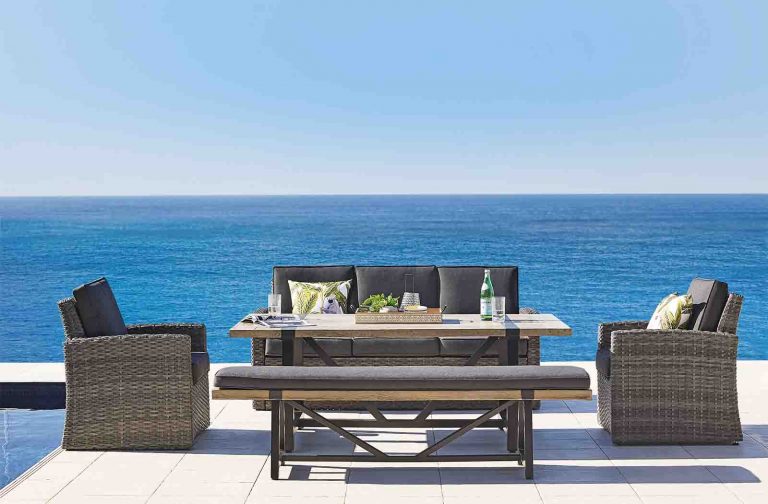
How can I prevent outdoor furniture from fading in the sun?
To prevent outdoor furniture from fading in the sun, you can take several measures to protect the furniture and extend its lifespan. Here are some tips to consider:
1. Choose Fade-Resistant Materials:
Opt for outdoor furniture made from fade-resistant materials. Look for materials specifically designed to withstand sun exposure, such as UV-resistant plastics, fade-resistant fabrics, or furniture with a protective coating.
2. Apply UV-Protective Sealants:
Coat your outdoor furniture with a UV-protective sealant or finish. These products create a barrier between the furniture and the sun’s UV rays, helping to prevent fading and discoloration.
3. Use Protective Covers:
When the furniture is not in use, cover it with protective covers specifically designed for outdoor furniture. These covers help shield the furniture from direct sunlight and other elements, preventing fading and damage.
4. Provide Shade:
Position your outdoor furniture in shaded areas whenever possible. Natural shade provided by trees or umbrellas can help reduce the direct exposure to sunlight, minimizing the risk of fading.
5. Utilize Umbrellas or Canopies:
Consider incorporating umbrellas or canopies into your outdoor furniture setup. These shade-providing structures can be adjusted to block the sun’s rays and protect the furniture from excessive exposure.
6. Rearrange Furniture Periodically:
Rotate and rearrange your outdoor furniture periodically. This helps distribute the effects of sun exposure more evenly across the furniture, preventing specific areas from fading more quickly than others.
7. Clean and Maintain Regularly:
Keep your outdoor furniture clean and well-maintained. Regularly remove dirt, debris, and stains, as they can contribute to the fading process. Follow the manufacturer’s instructions for proper cleaning and maintenance.
8. Store During Extreme Weather:
If possible, store your outdoor furniture indoors or in a covered area during extreme weather conditions, such as intense sunlight or heavy rain. This provides additional protection and extends the life of the furniture.
9. Consider Retractable Awnings or Sunshades:
If you have a larger outdoor space, consider installing retractable awnings or sunshades. These adjustable covers can be extended to block the sun’s rays when needed, protecting the outdoor furniture from excessive sunlight.
By implementing these preventive measures, you can significantly reduce the risk of fading and keep your outdoor furniture looking vibrant and beautiful over time.
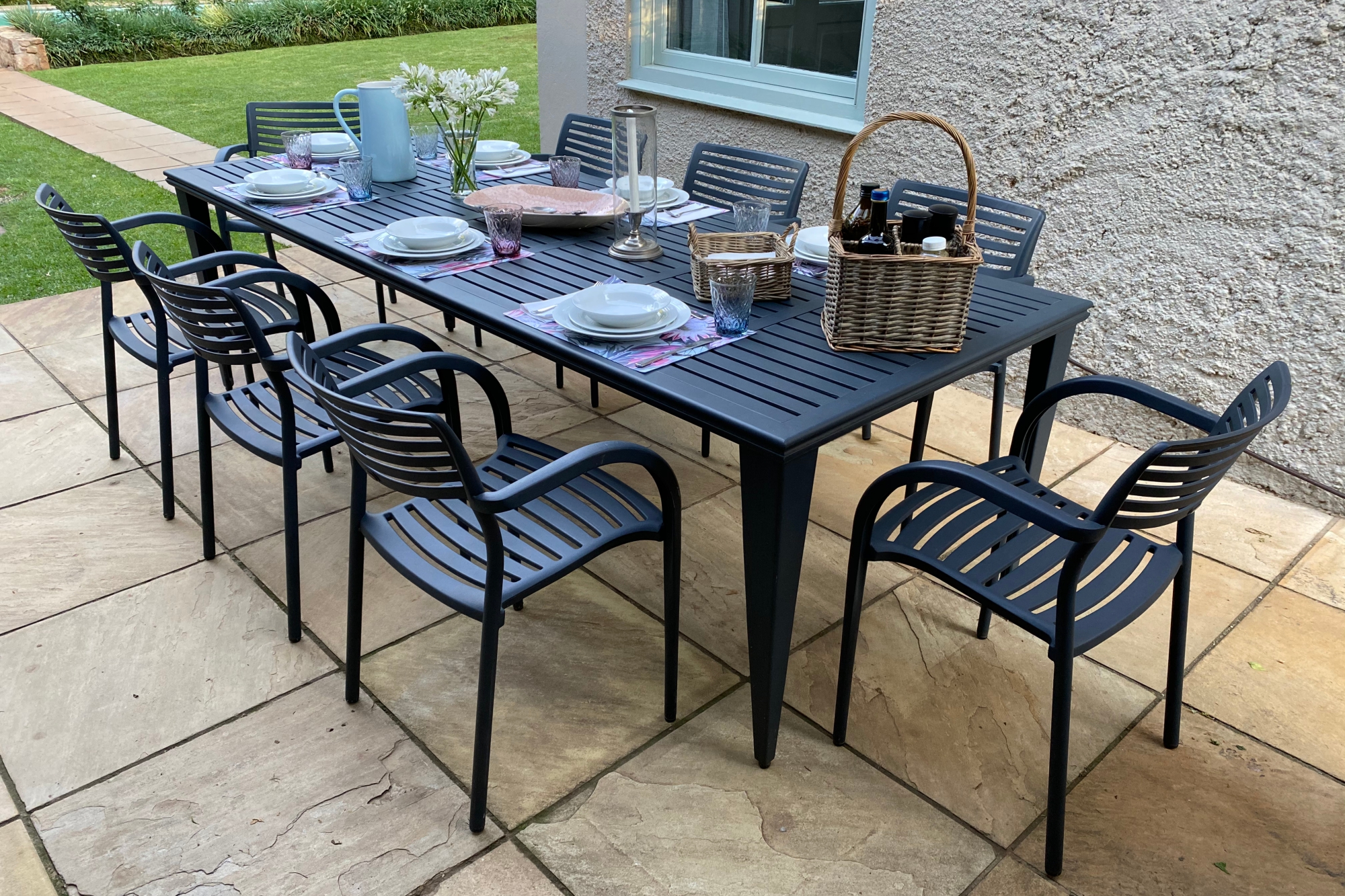
How do I choose the right size outdoor furniture for my space?
Choosing the right size outdoor furniture is crucial to ensure a comfortable and functional outdoor living space. Here are some steps to help you select the appropriate size:
1. Assess Your Space:
Measure the available space in your outdoor area to determine the dimensions you have to work with. Consider the overall layout, including any architectural features, existing structures, and natural elements like trees or slopes that may impact the placement and size of your furniture.
2. Determine the Purpose:
Decide how you plan to use your outdoor space. Will it be primarily for dining, lounging, or a combination of both? This will help determine the type and size of furniture you need.
3. Consider Traffic Flow:
Allow adequate space for people to move around and navigate comfortably. Consider pathways, entrances, and exits to ensure there is enough room for easy movement without feeling cramped.
4. Choose Appropriate Furniture Types:
Based on your space and intended use, select the types of outdoor furniture that best fit your needs. Common options include dining sets, lounge chairs, sofas, benches, and sectional seating arrangements.
5. Take Seat and Table Heights into Account:
Ensure that the seat height of chairs or sofas aligns with the table height for dining sets. This will ensure a comfortable and ergonomic seating arrangement.
6. Allow for Clearance:
Provide ample space around the furniture for easy movement and to avoid feeling cramped. Allow around 18-24 inches of clearance behind chairs for easy access and movement.
7. Consider Scale and Proportion:
Choose furniture that is proportionate to the size of your outdoor space. Oversized furniture can make a small space feel crowded, while undersized furniture may look out of place in a large area.
8. Test and Visualize:
If possible, arrange a mock layout using cardboard or tape to visualize how the furniture will fit in your space. This can help you assess the scale, proportion, and flow before making a final decision.
9. Read Product Specifications:
Pay attention to the dimensions provided by furniture manufacturers. Check the measurements of each piece to ensure it will fit comfortably in your space.
By carefully considering the size, layout, and purpose of your outdoor area, you can choose furniture that fits well and maximizes the functionality and aesthetics of your space.
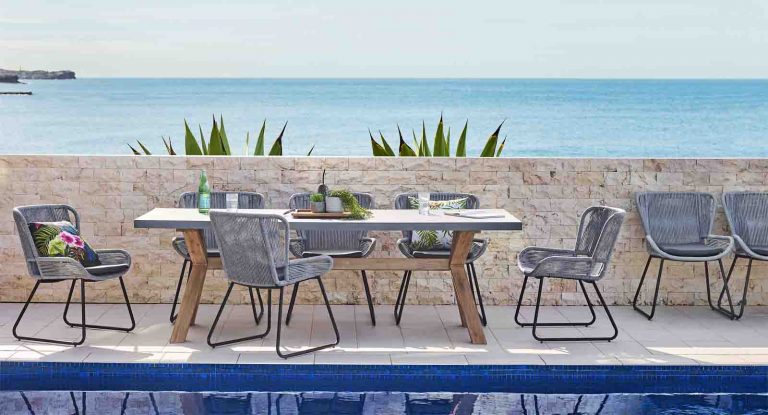
Are there any eco-friendly options available for outdoor furniture?
Yes, there are several eco-friendly options available for outdoor furniture that prioritize sustainability and minimize environmental impact. Here are some eco-friendly options to consider:
1. Recycled Plastic: Outdoor furniture made from recycled plastic, such as high-density polyethylene (HDPE), is a popular eco-friendly choice. This material is derived from post-consumer plastic waste, including plastic bottles and containers, and can be recycled again at the end of its life. Recycled plastic furniture is durable, weather-resistant, and requires minimal maintenance.
2. Sustainably Sourced Wood: If you prefer the natural look of wood, opt for outdoor furniture made from sustainably sourced wood, such as teak or eucalyptus. Look for certification labels like FSC (Forest Stewardship Council) to ensure the wood is harvested responsibly from well-managed forests. These types of wood are known for their durability and resistance to weathering.
3. Bamboo: Bamboo is a fast-growing and renewable resource that can be used to create outdoor furniture. It is a durable and lightweight material that offers a natural and tropical aesthetic. Bamboo furniture is often treated to enhance its weather resistance and longevity.
4. Aluminum: Aluminum is a highly recyclable material that is commonly used in outdoor furniture. Look for furniture made from recycled or responsibly sourced aluminum. It is lightweight, rust-resistant, and requires minimal maintenance.
5. Natural Fiber Wicker: Wicker furniture made from natural fibers, such as rattan or seagrass, is another eco-friendly option. These materials are renewable and biodegradable. Look for furniture that uses natural fiber wicker and avoids synthetic or PVC-based wicker.
6. Upcycled or Reclaimed Materials: Consider outdoor furniture made from upcycled or reclaimed materials, such as reclaimed wood or repurposed metal. These options give a new life to materials that would otherwise go to waste and contribute to landfill waste reduction.
7. Minimalist Designs and Longevity: Opting for minimalist designs and furniture with long lifespans can also be eco-friendly. Choosing timeless pieces that are built to last reduces the need for frequent replacements and helps minimize waste.
When looking for eco-friendly outdoor furniture, it’s important to research the materials, production processes, and certifications associated with the products. Look for eco-labels or certifications that indicate the furniture meets specific environmental standards.
By choosing eco-friendly outdoor furniture, you can create a sustainable and environmentally conscious outdoor space.
editor by CX 2024-01-19